Machinery Insights & Trends
Expert engineering analyses, industrial maintenance guides, and heavy logistics updates compiled by our operations crew.
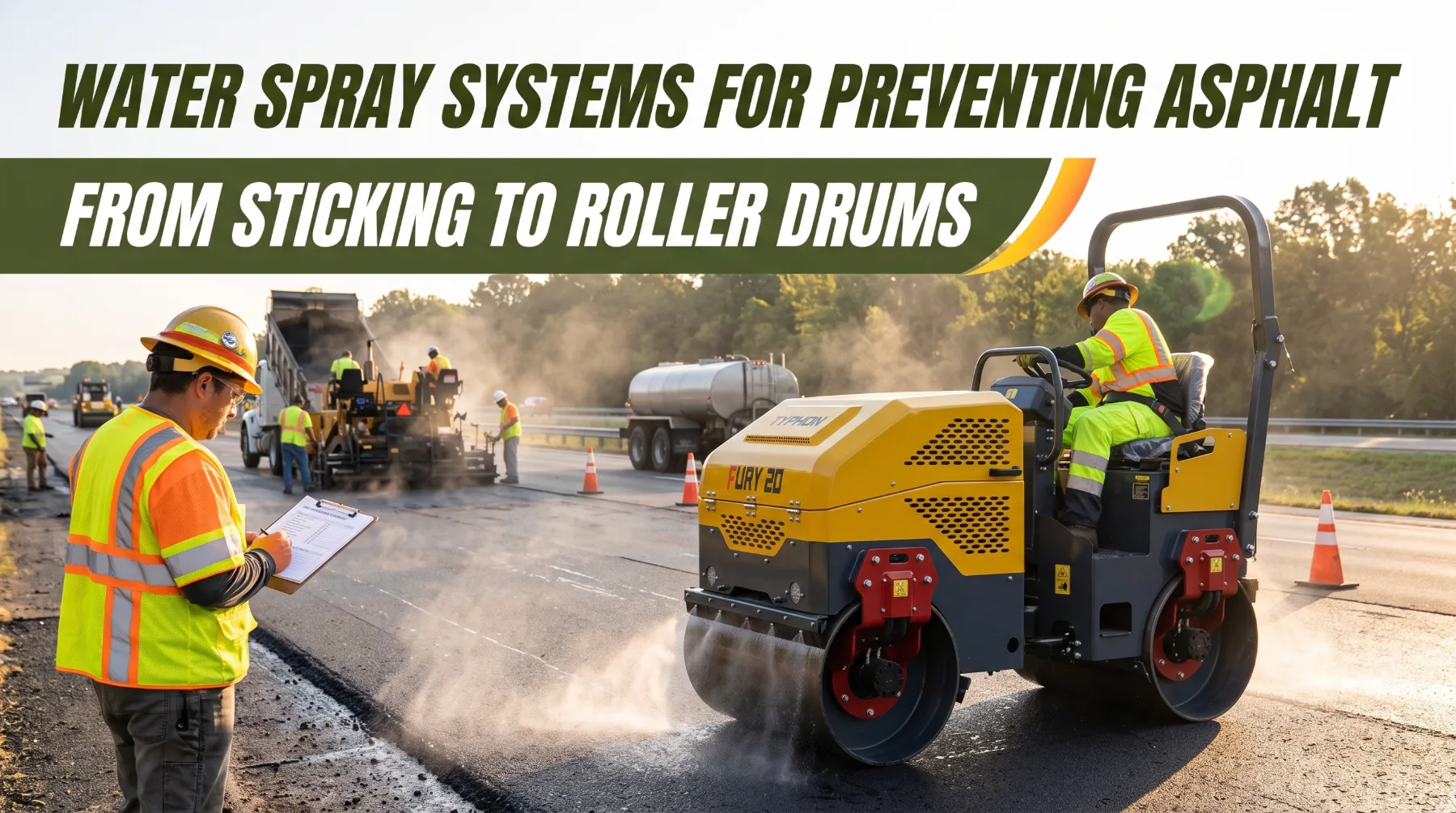
Learn how road roller water spray systems prevent hot asphalt from sticking to drum surfaces, improve compaction quality, and maintain a smooth finish through proper nozzle inspection, consistent spray coverage, regular maintenance, and cold-weather protection.
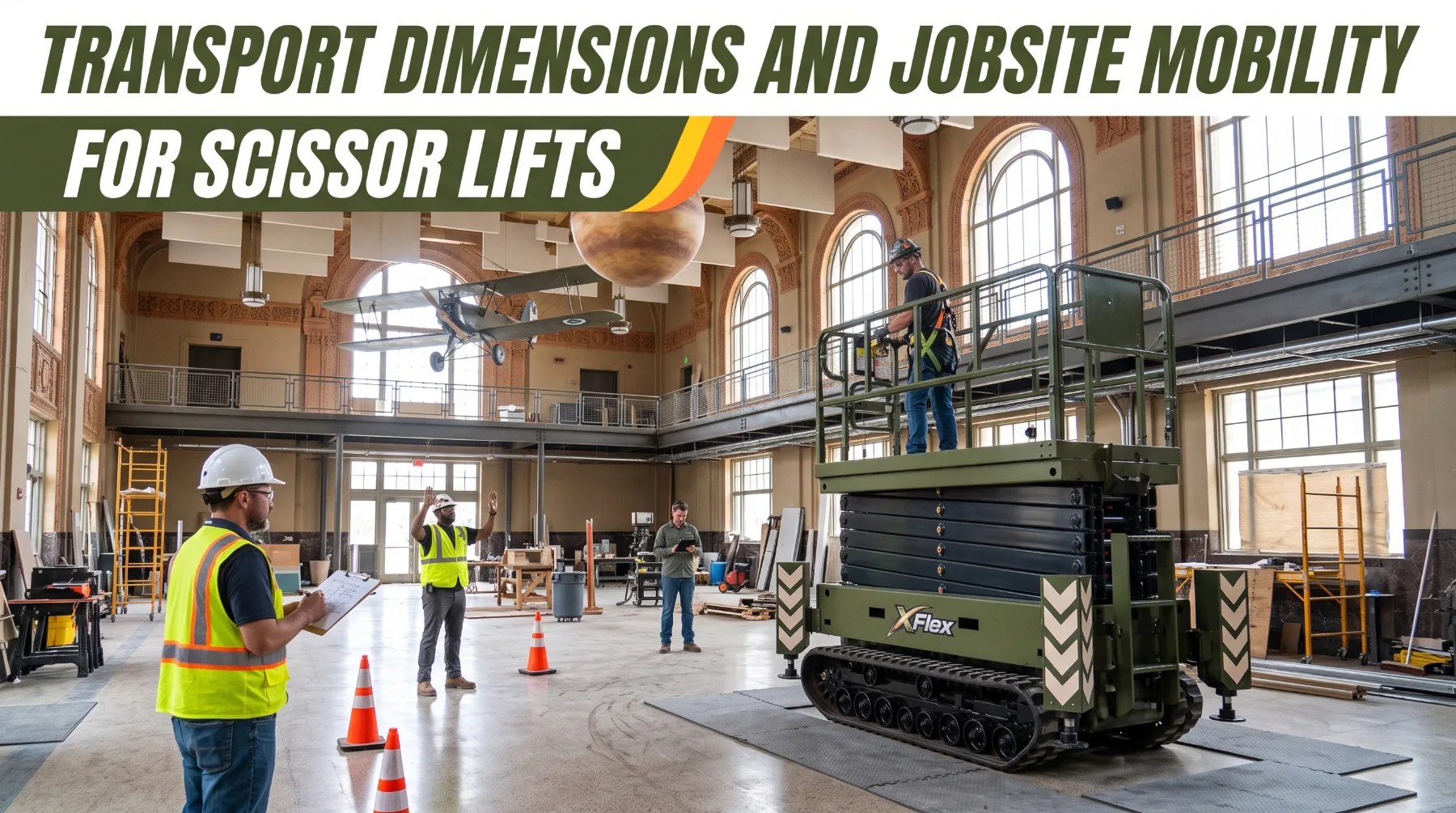
Transport Dimensions and Jobsite Mobility for Scissor Lifts
Learn how scissor lift transport dimensions, ground conditions, access routes, and maneuverability affect safe jobsite mobility, with practical guidance on equipment selection, transportation, pre-delivery planning, and operator inspections to prevent delays and improve safety.
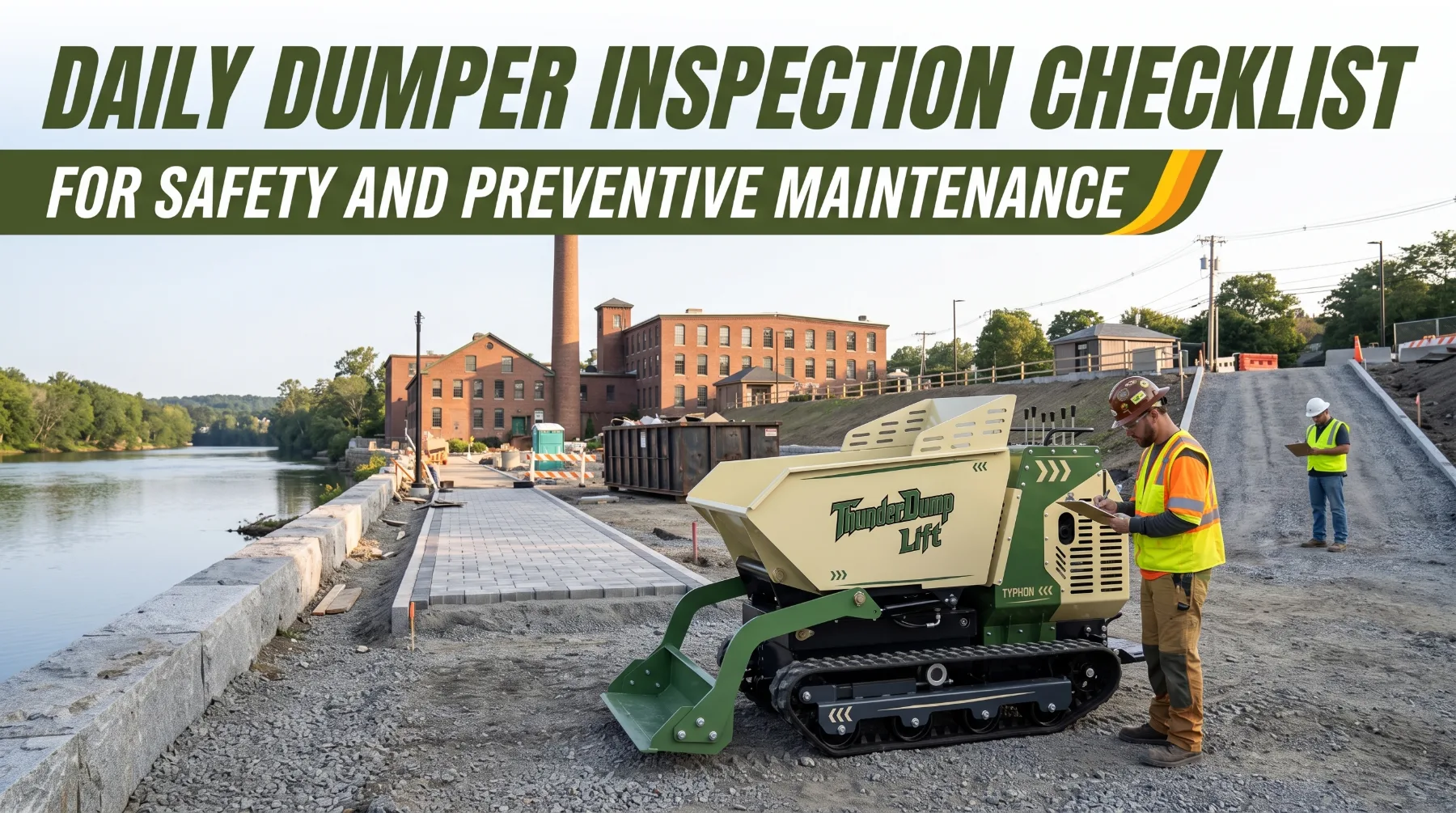
Learn how to perform daily dumper inspections, check tires and tracks, inspect hydraulic systems, test brakes and steering, identify safety hazards, and report defects to prevent breakdowns and ensure safe construction site operations.
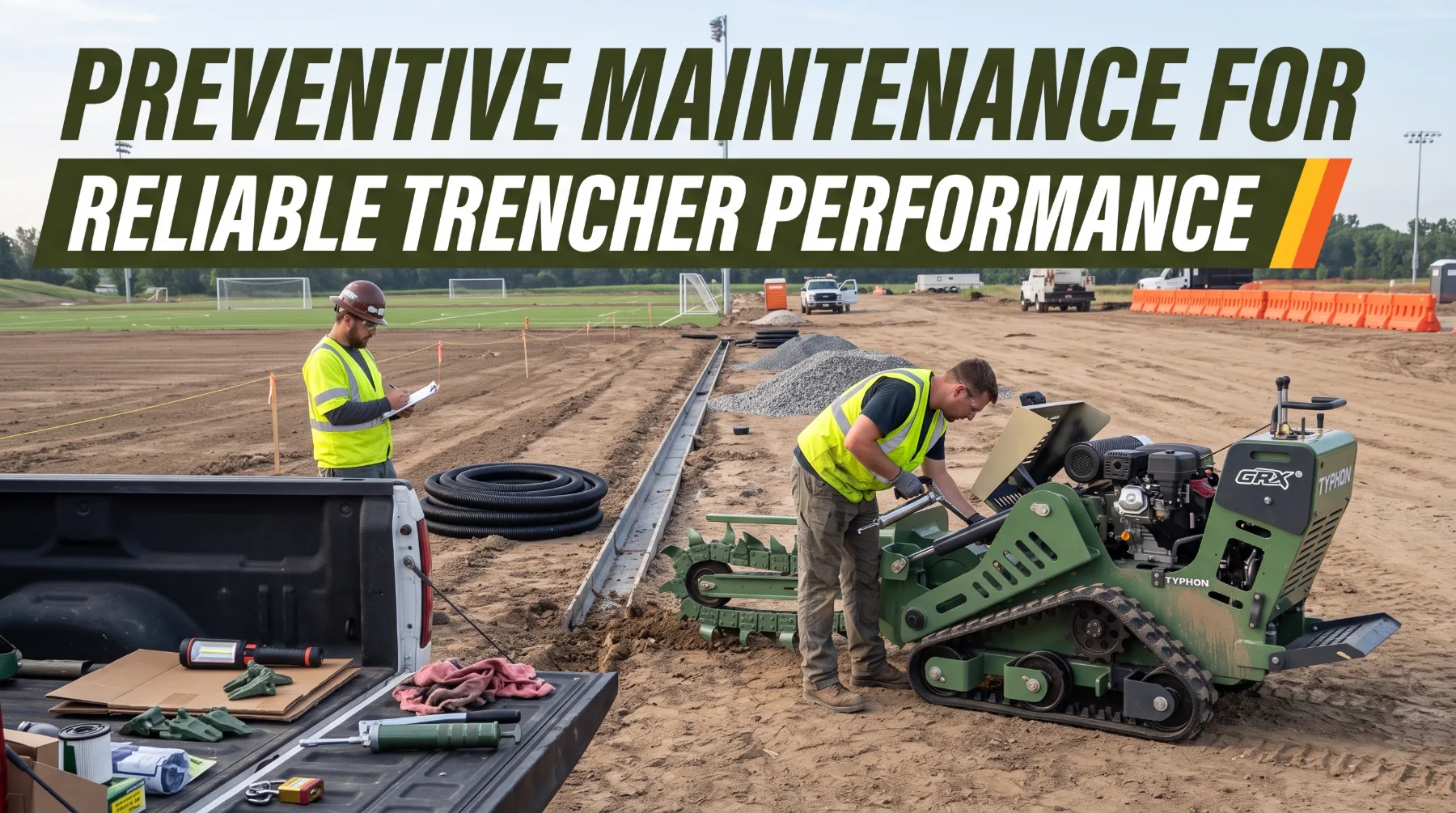
Preventive Maintenance for Reliable Trencher Performance
Learn how to maintain a trencher for reliable performance through regular inspections, cutting-chain care, hydraulic system checks, proper lubrication, debris removal, and scheduled servicing to reduce breakdowns and extend equipment life.
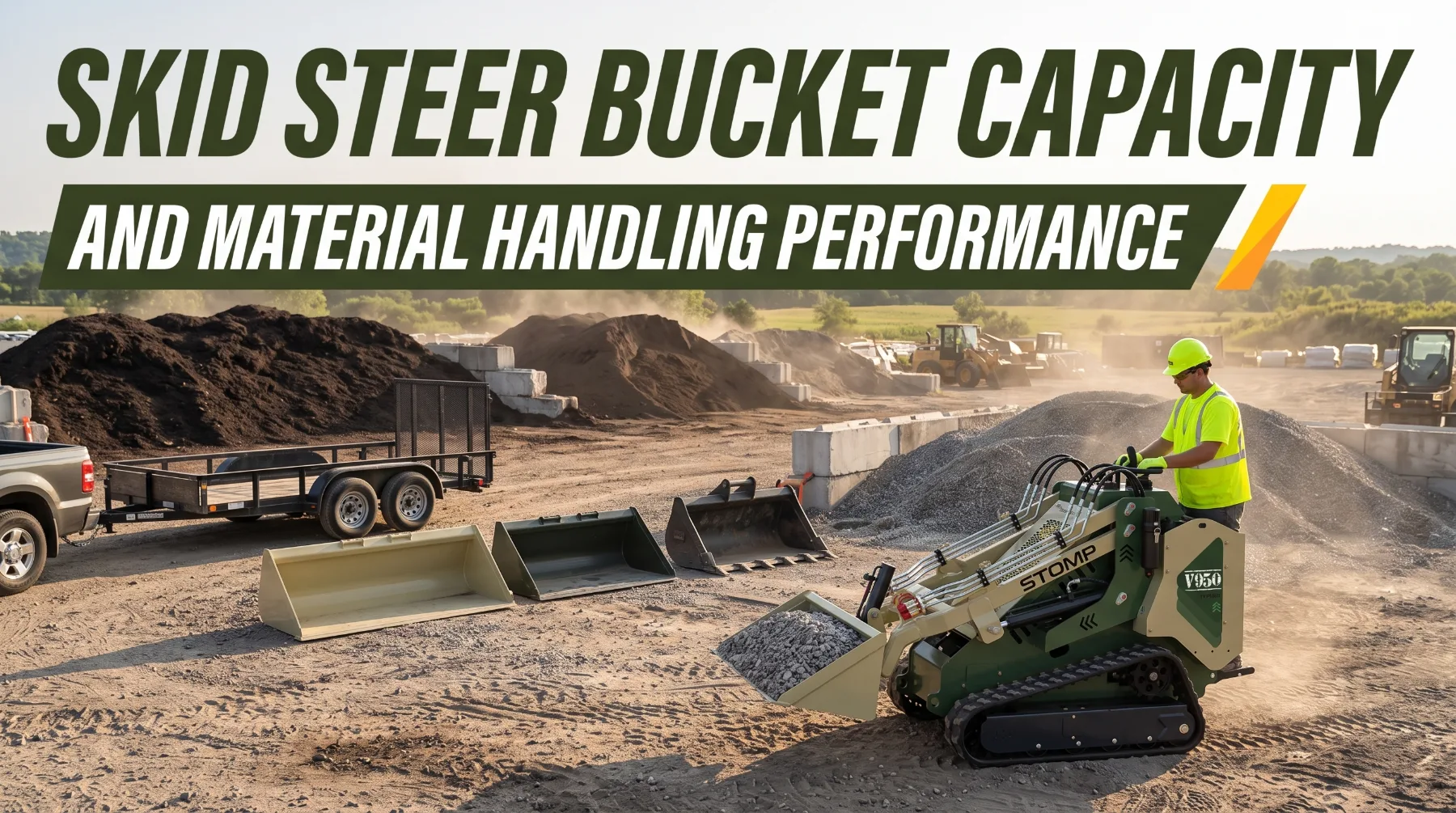
Skid Steer Bucket Capacity and Material Handling Performance
Learn how skid steer bucket capacity and material density affect load weight, machine stability, and productivity. Discover how to choose the right bucket, handle different materials safely, improve loading techniques, and reduce cycle times while staying within rated operating capacity.
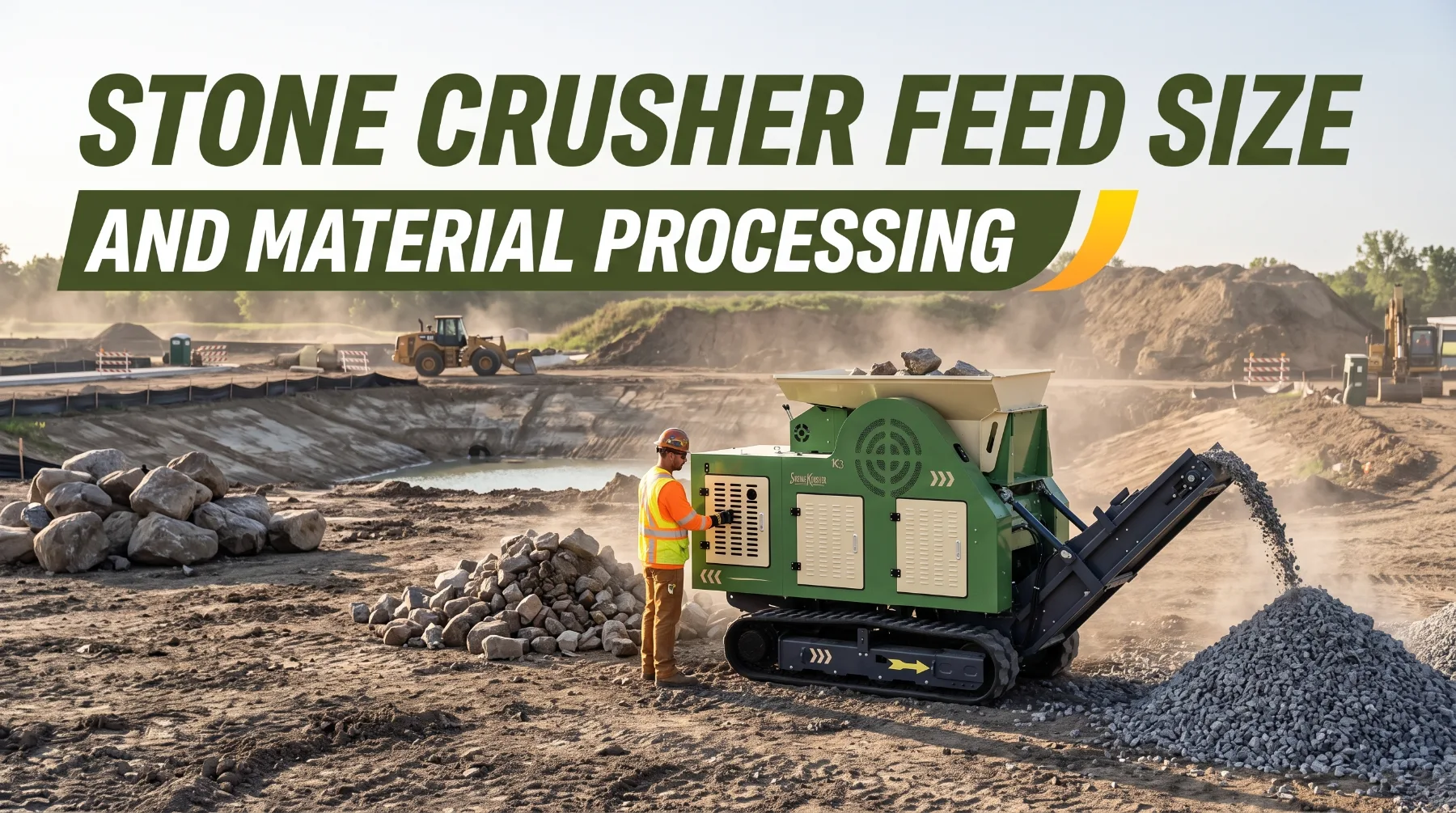
Stone Crusher Feed Size and Material Processing
Learn how stone crusher feed size, material shape, moisture, hardness, contamination, and feeding rate affect crushing performance, efficiency, equipment wear, and finished aggregate quality.
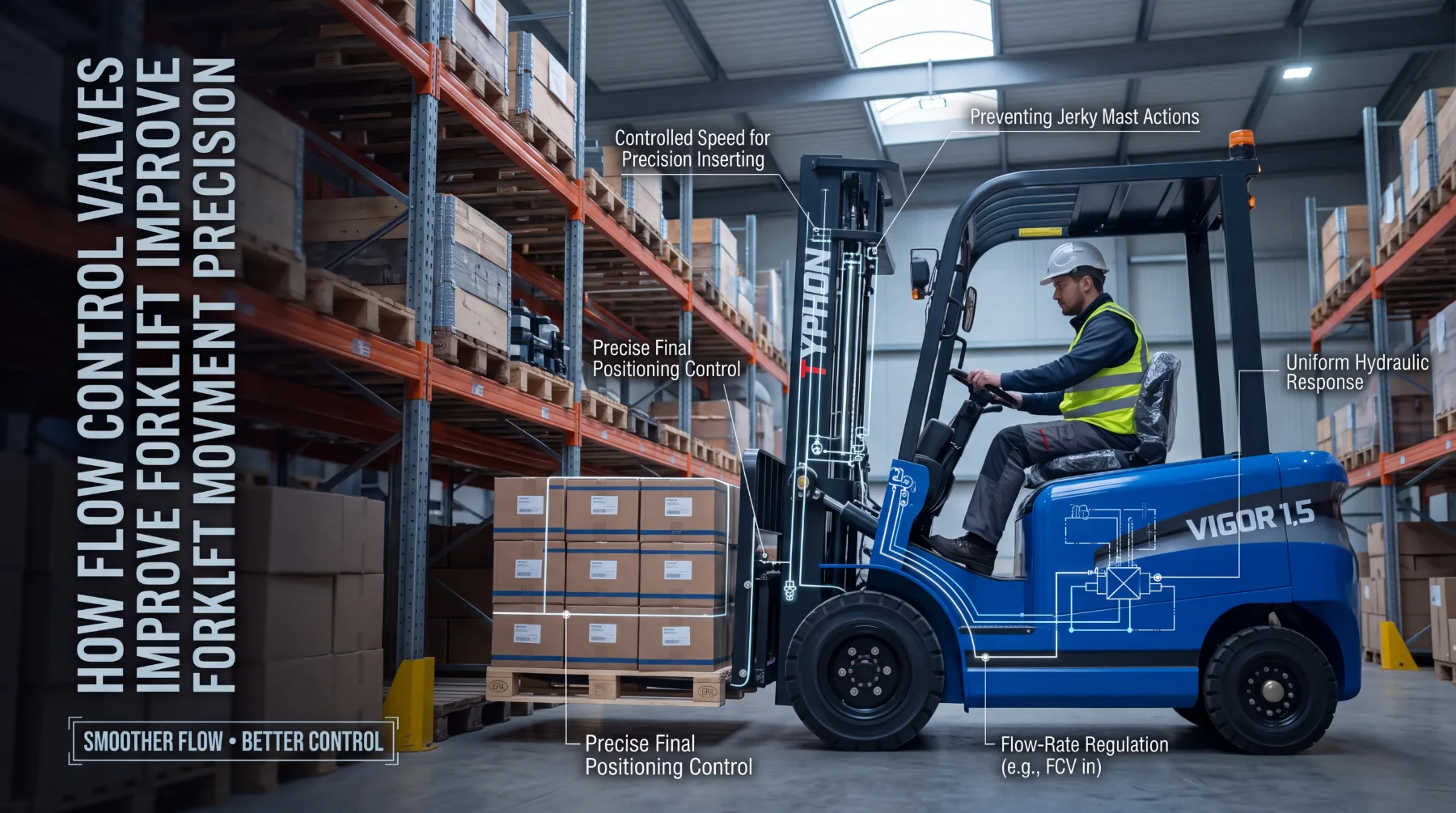
How Flow Control Valves Improve Forklift Movement Precision
Learn how flow control valves improve forklift movement precision by regulating hydraulic flow, controlling lift and lowering speed, improving load positioning, reducing sudden movements, and matching hydraulic response to different operating conditions.
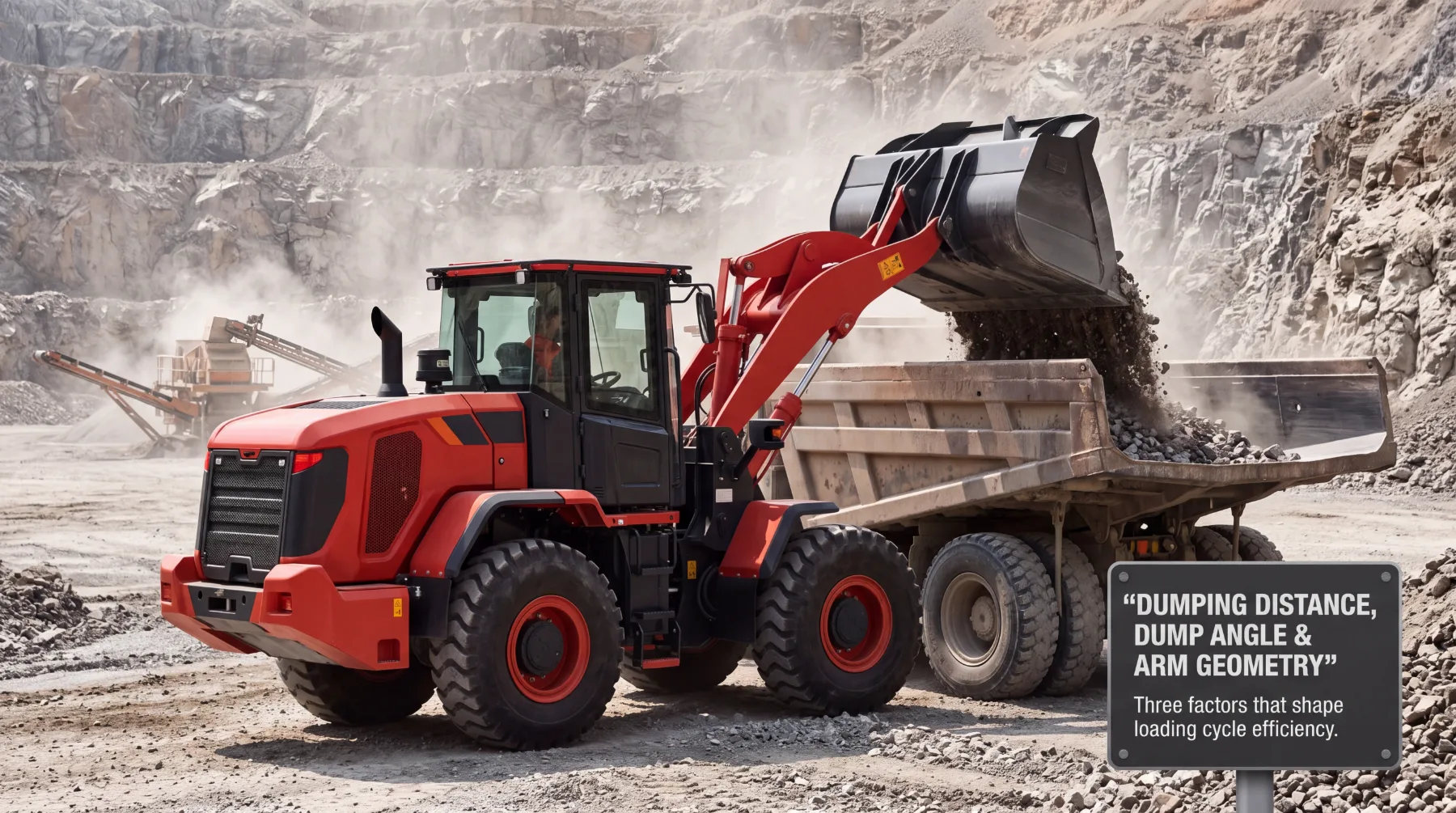
Learn how dumping distance, dump angle, and arm geometry affect wheel loader productivity, including material placement, cycle efficiency, loading speed, and choosing the right configuration for different jobsite conditions.
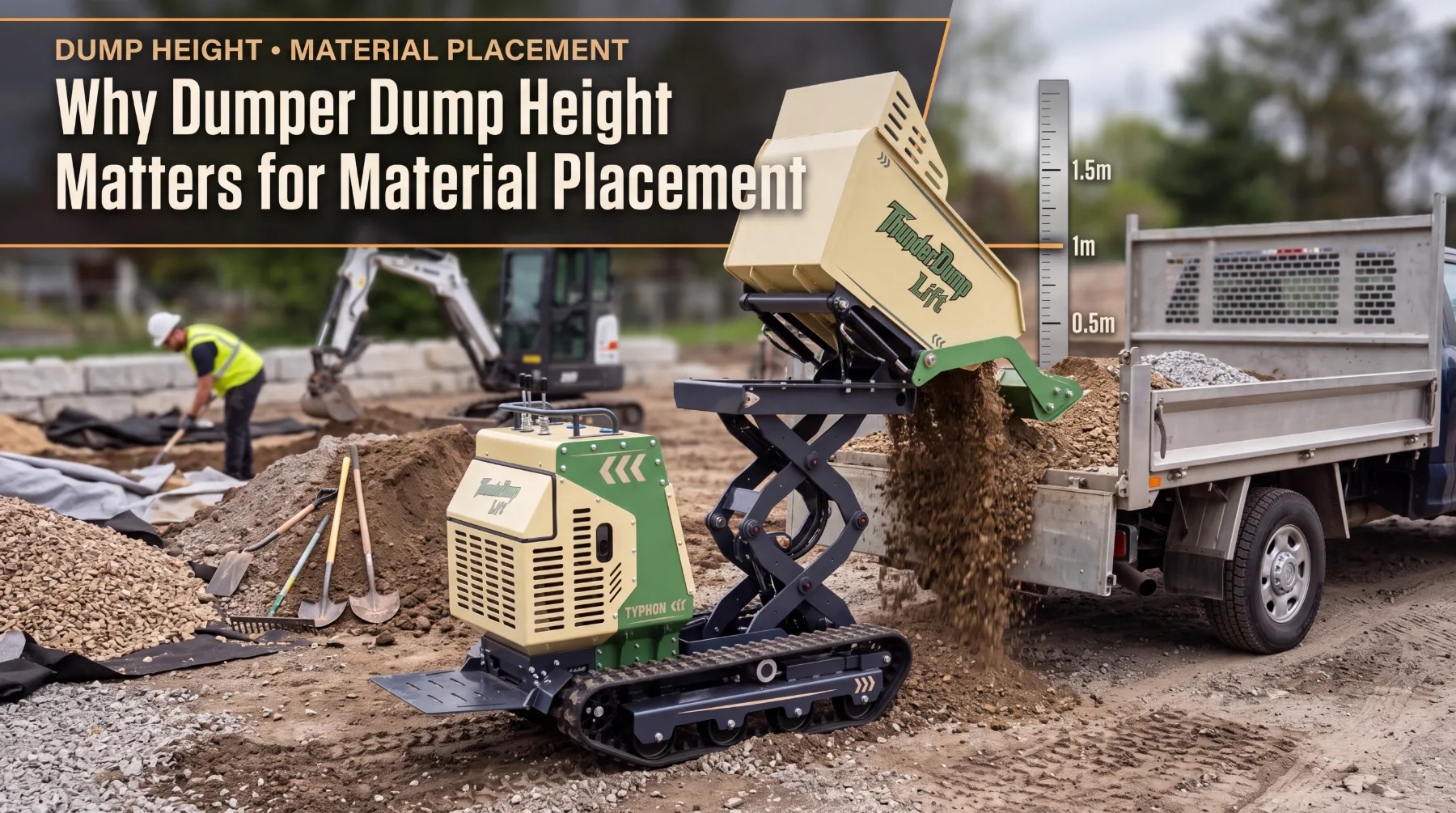
Why Dumper Dump Height Matters for Material Placement
<p style="text-align:justify;">Where a dumper puts its load is only half the story. How high it can raise that load before releasing it often decides...
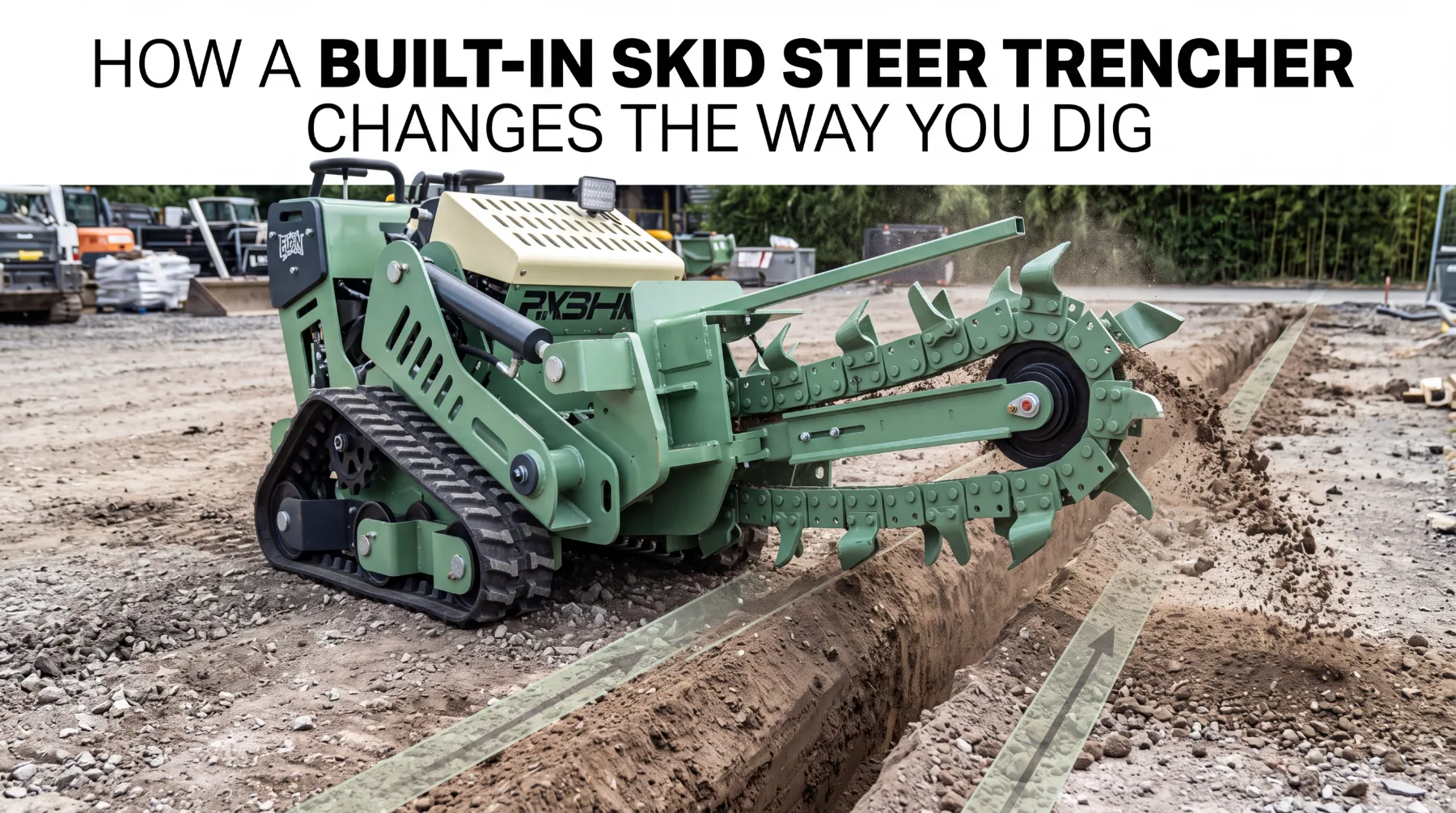
How a Built-In Skid Steer Trencher Changes the Way You Dig
Learn how a built-in skid steer trencher improves trenching through focused power, consistent trench dimensions, easier operation, and less unnecessary excavation.
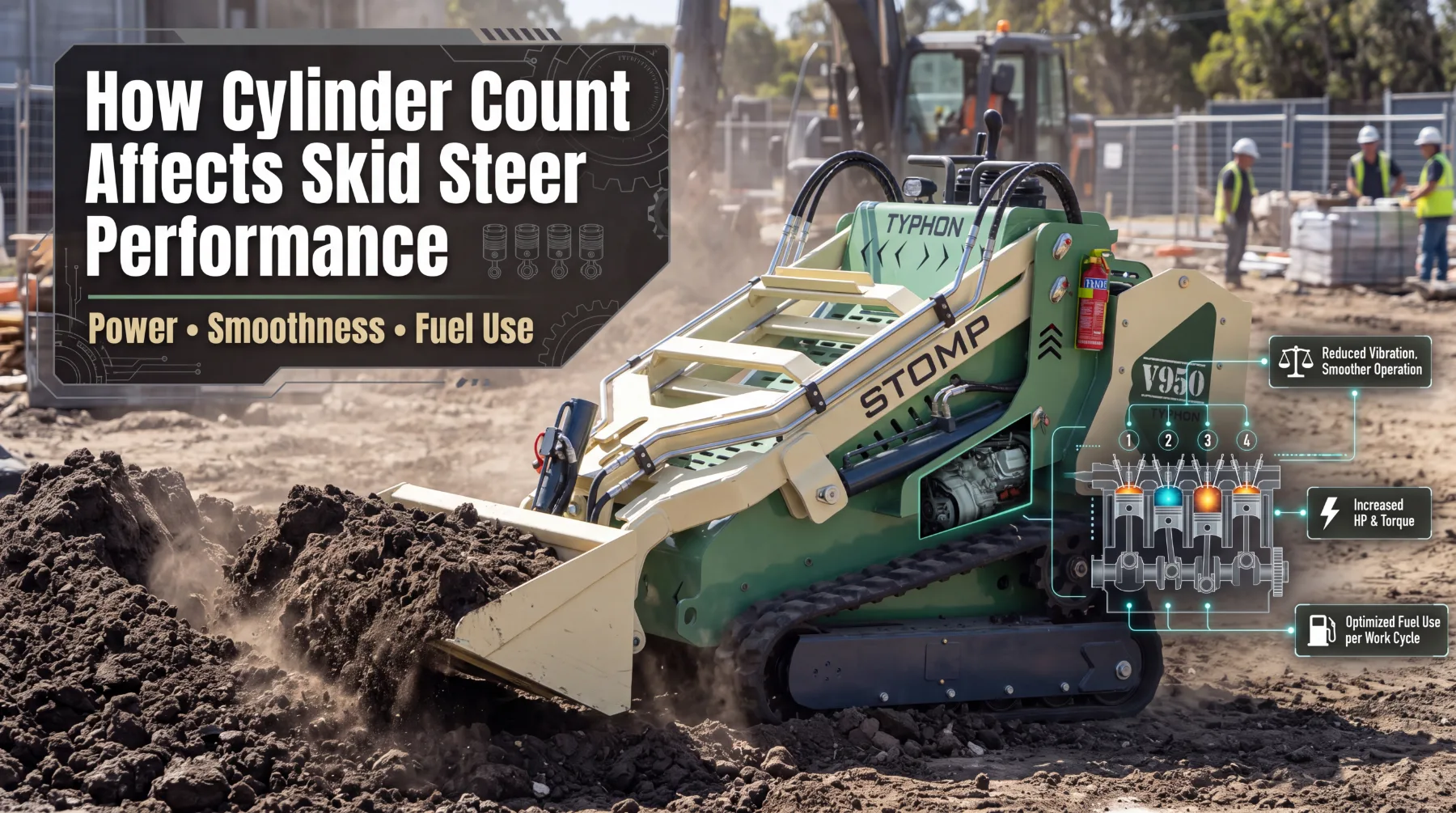
Learn how cylinder count affects compact skid steer performance, including power delivery, torque, engine smoothness, fuel efficiency, vibration, and choosing the right engine for different workloads.
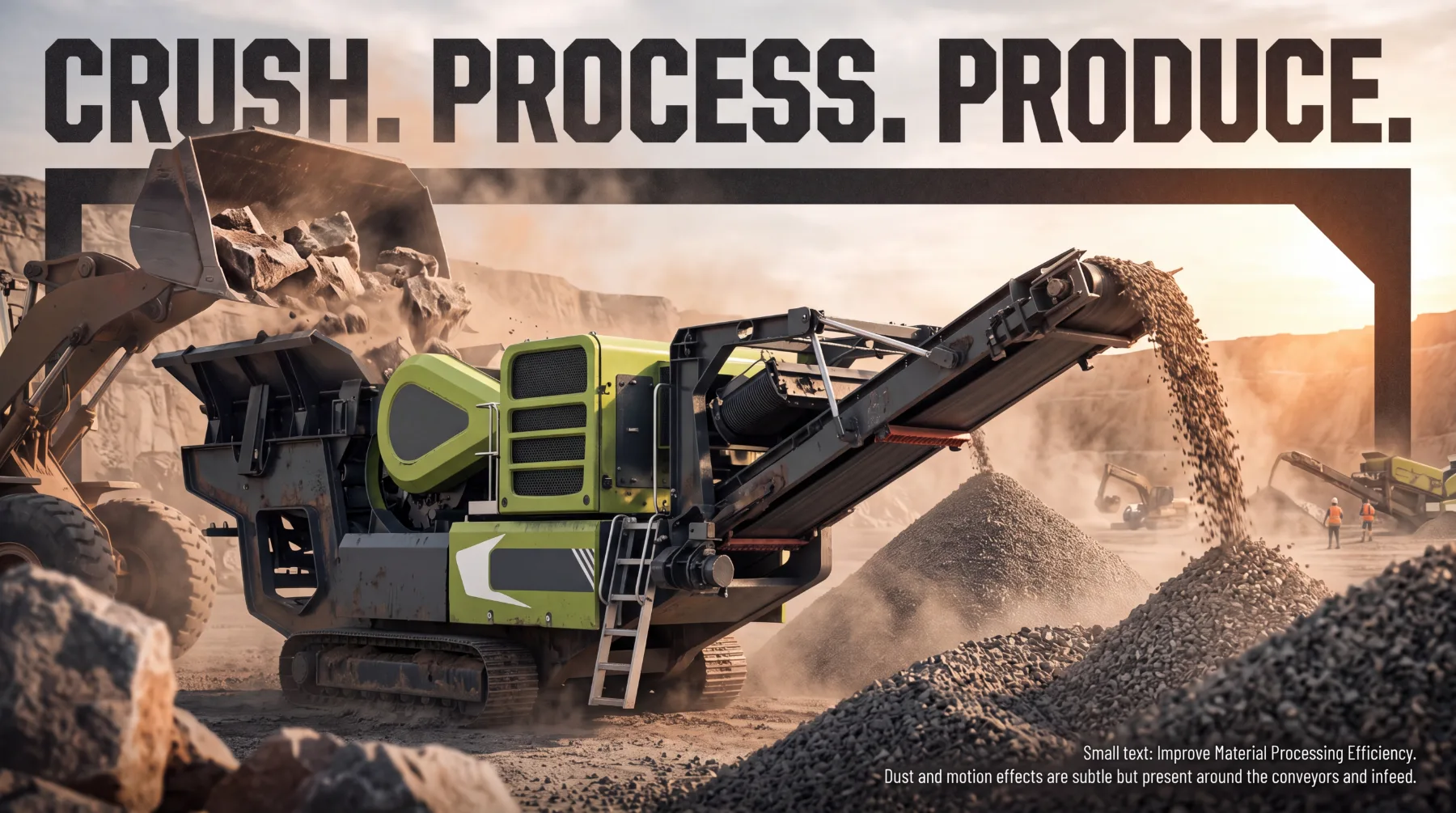
How Stone Crushers Improve Material Processing Efficiency
Learn how stone crushers improve material processing efficiency by breaking large rocks into usable materials, improving production flow, reducing manual handling, and supporting efficient crushing operations.
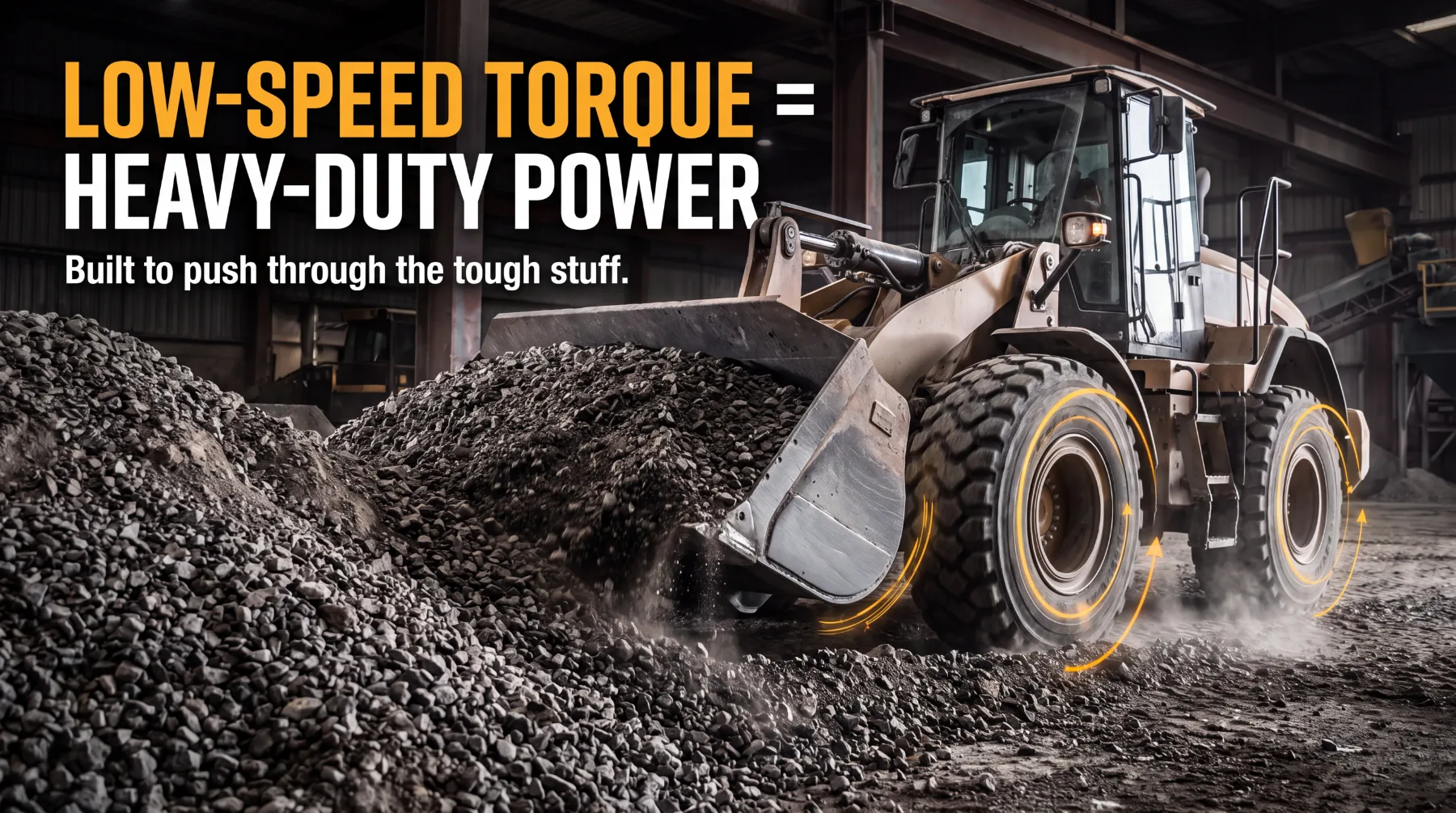
Why Low-Speed Torque Matters During Heavy Loader Work
Learn why low-speed torque matters for heavy loader work, including pushing into dense material, digging performance, climbing slopes, hydraulic power, and choosing the right loader for demanding conditions.
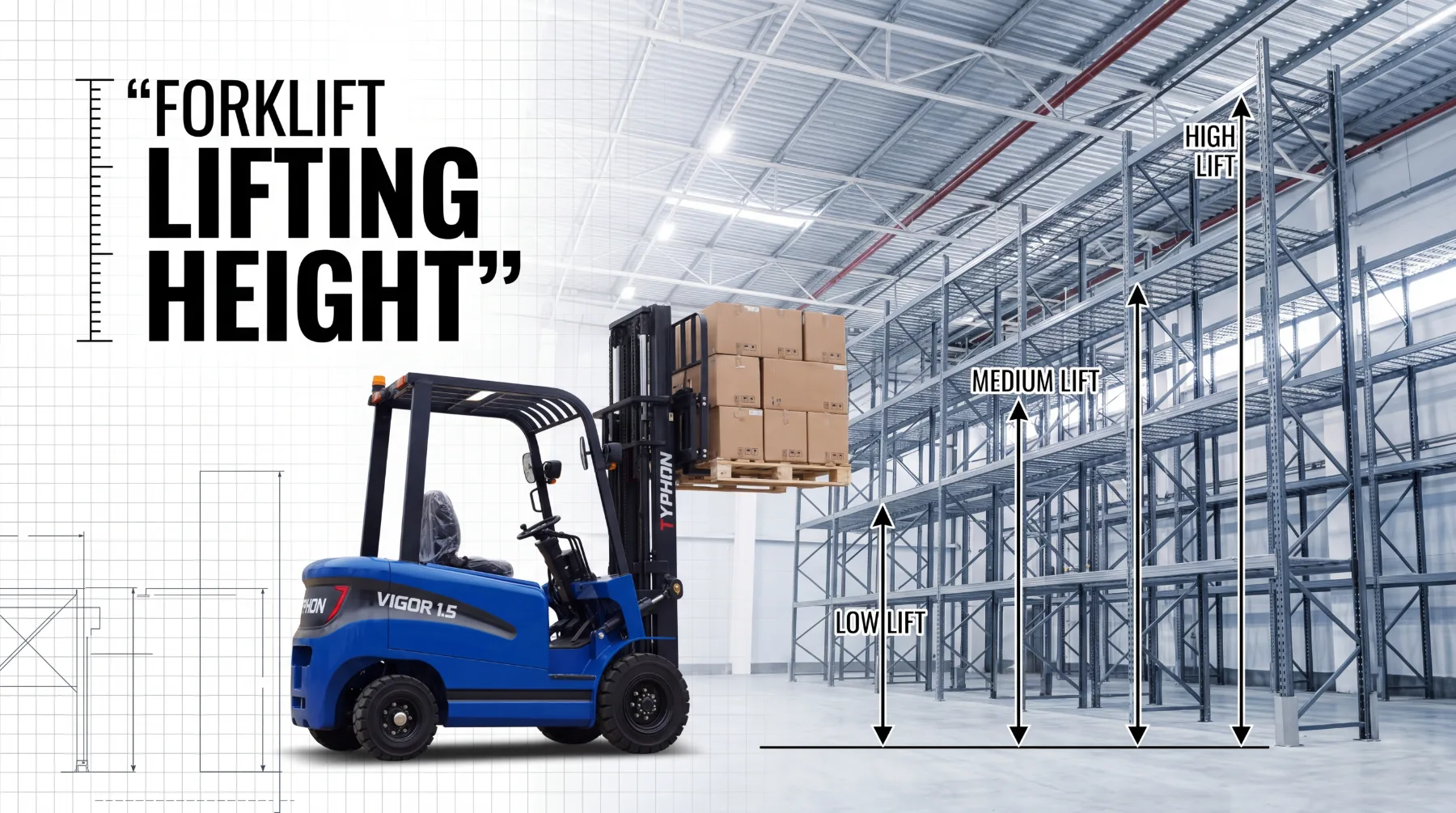
Learn how to choose the right forklift lifting height by considering storage layout, working height, ceiling clearance, load weight, and mast type for safe and efficient operation.
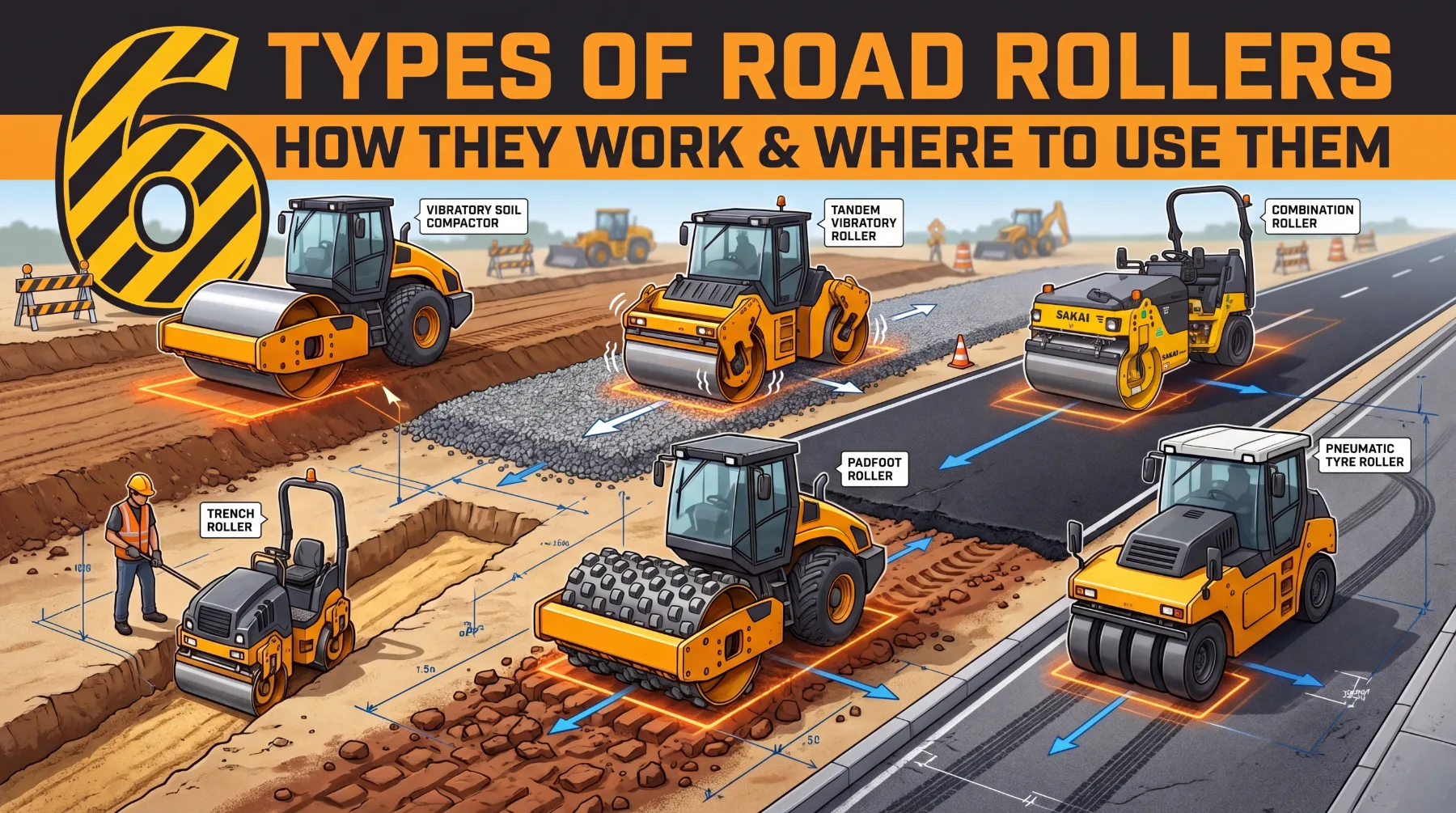
6 Types of Road Rollers: How They Work and Where to Use Them
Learn about six common types of road rollers, how each one works, and where they perform best for soil, asphalt, foundations, finishing, and compact job sites.
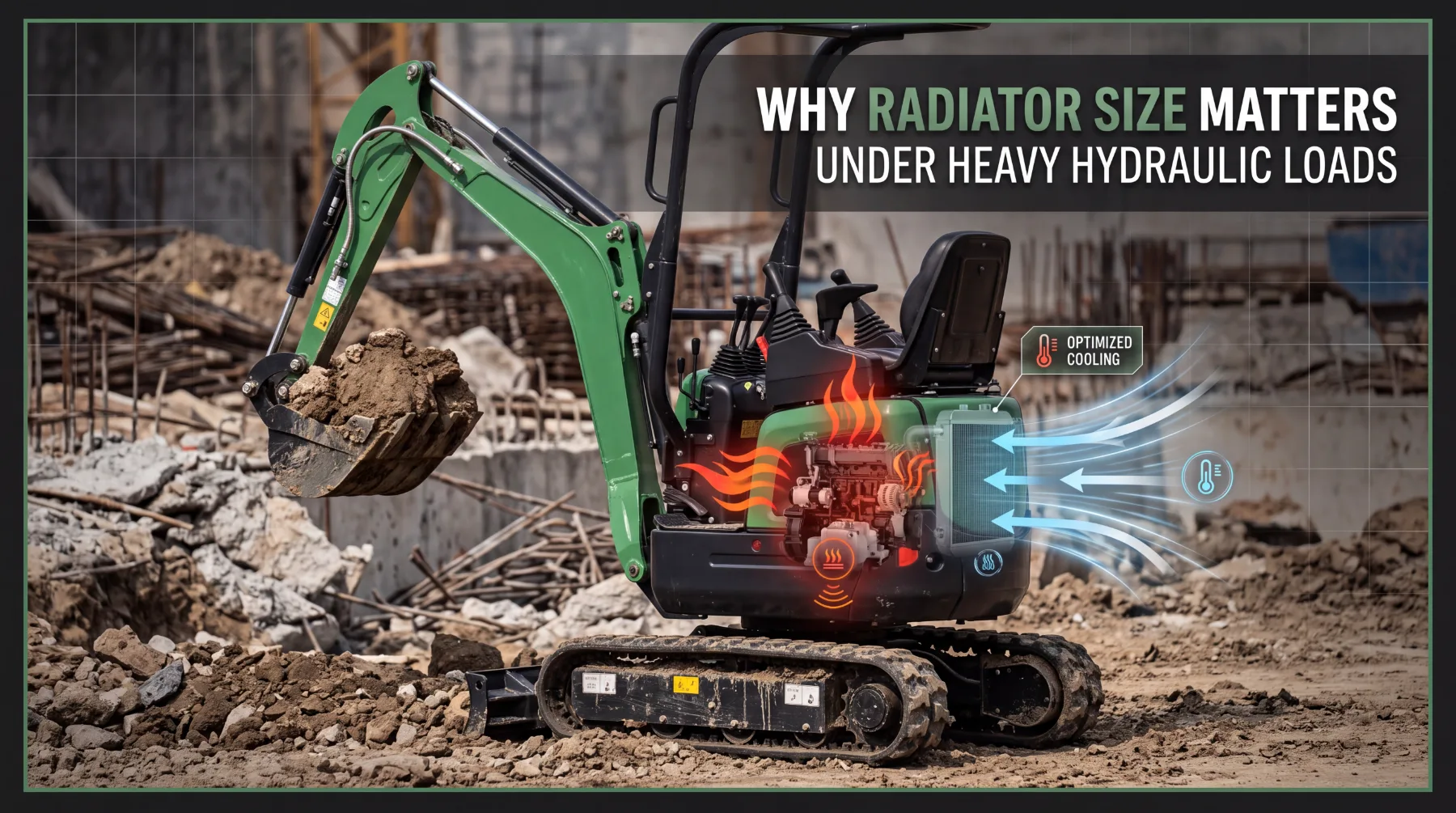
Learn why radiator size matters for excavator performance under heavy hydraulic loads, including heat dissipation, hydraulic oil temperature, cooling capacity, and reliable operation during long, demanding jobs.
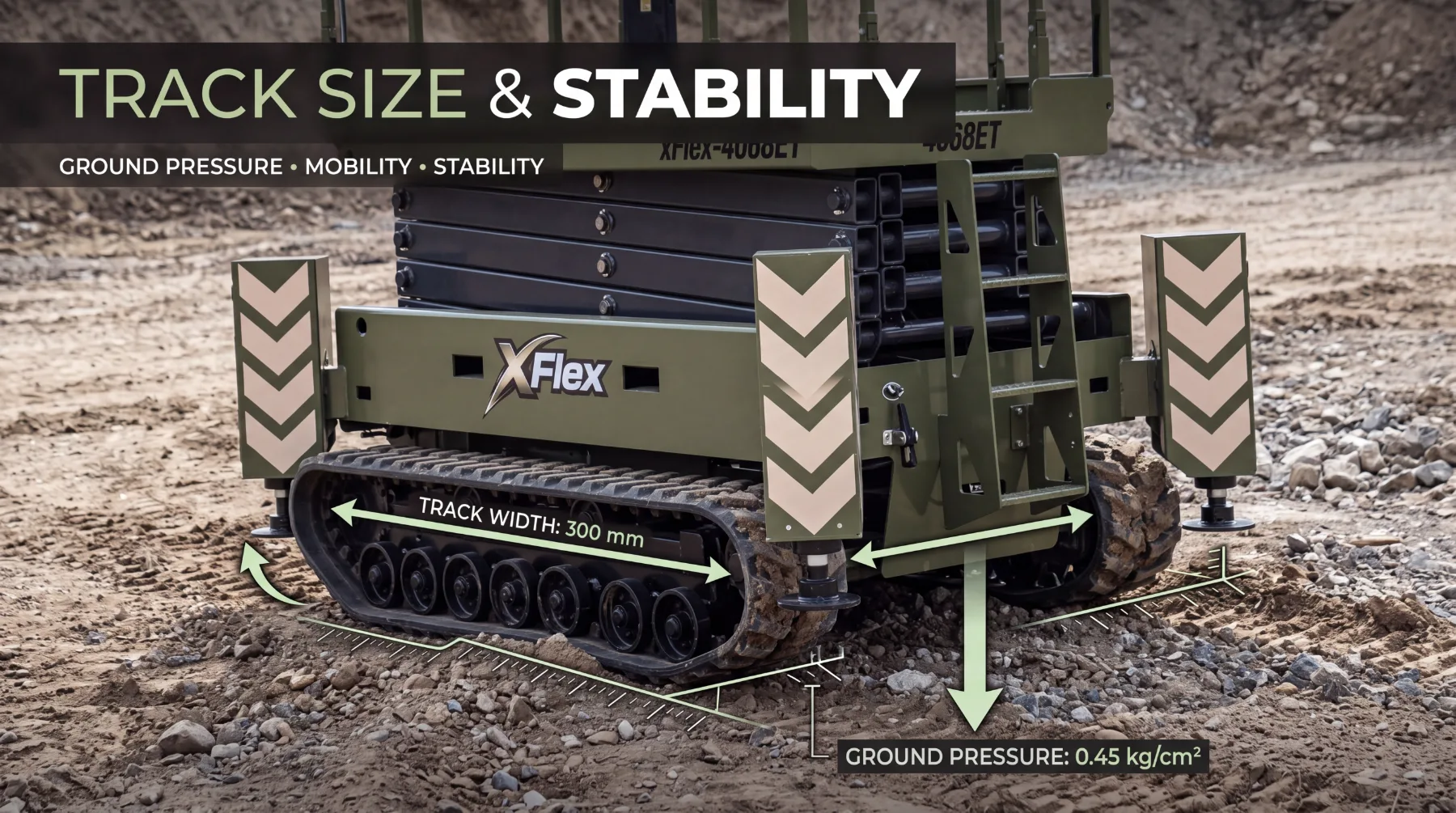
How Track Size Affects Scissor Lift Stability and Mobility
Learn how track size affects a scissor lift’s stability, ground pressure, traction, and ability to move safely across different jobsite surfaces and conditions.
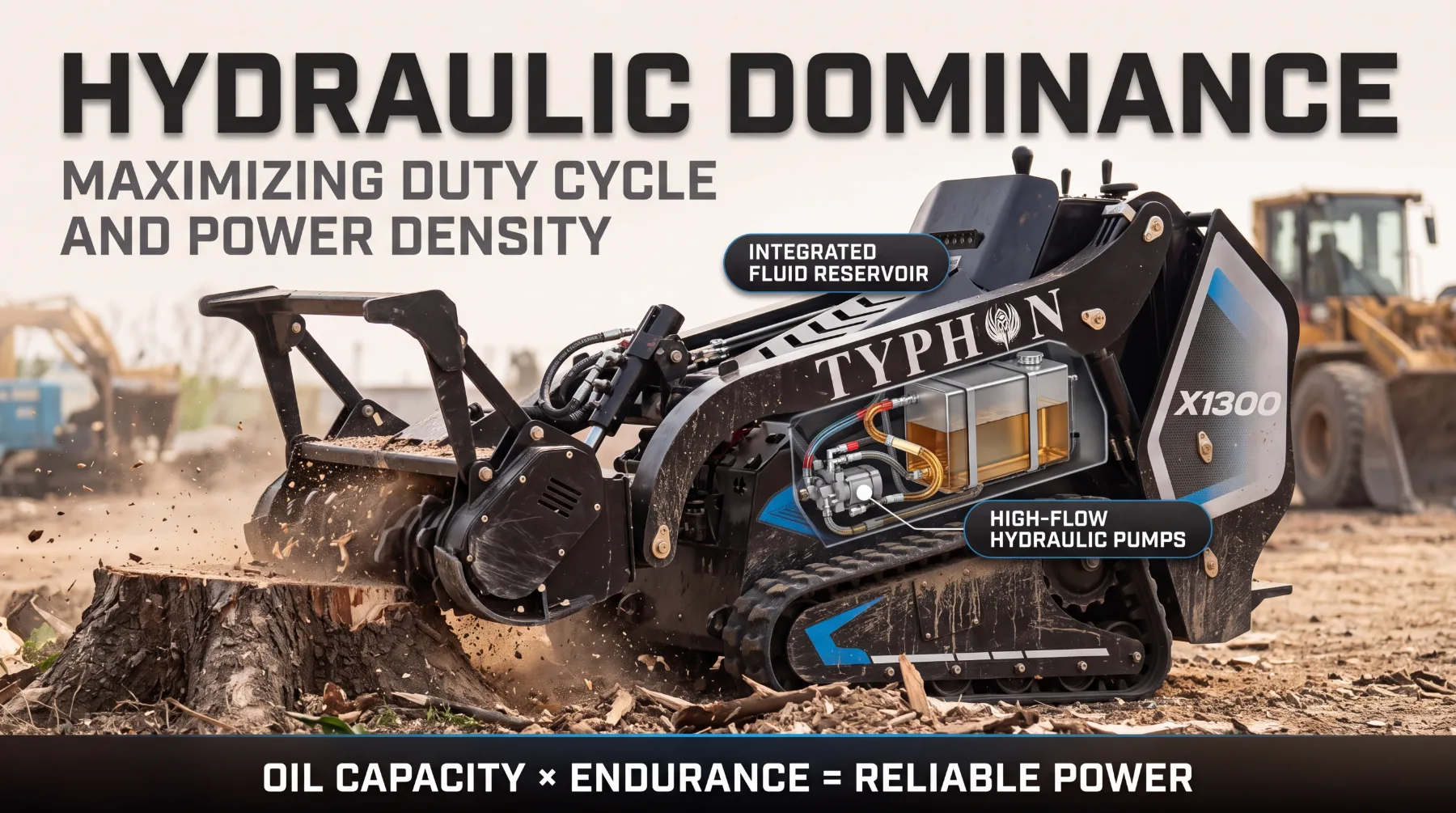
Learn why hydraulic oil capacity is important for heavy-duty skid steer performance, from maintaining steady hydraulic flow and controlling heat to protecting critical components and supporting demanding attachments.
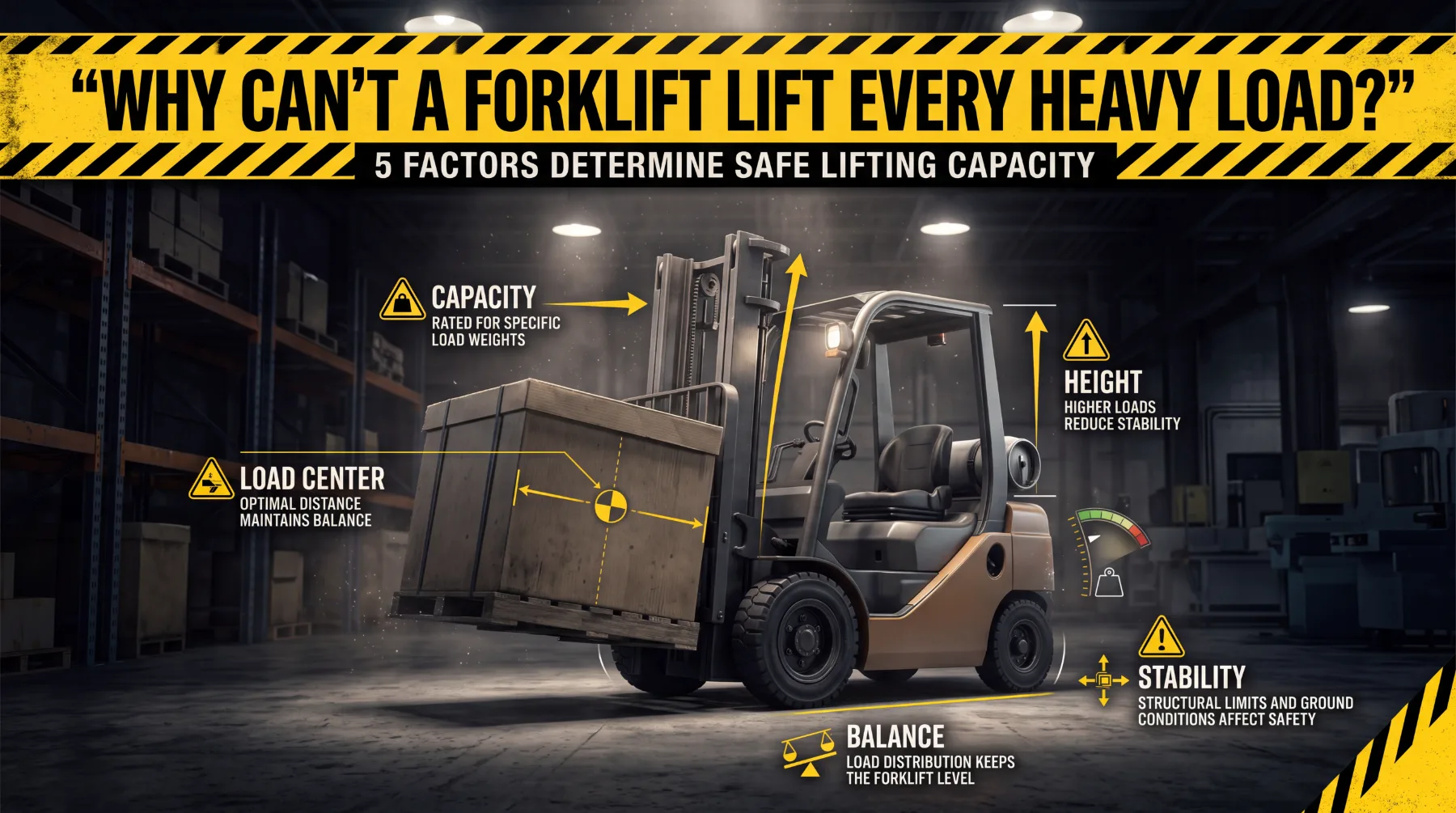
Why Can't a Forklift Lift Every Heavy Load
Learn why a forklift cannot safely lift every heavy load and how rated capacity, load center, lifting height, load shape and balance, and counterweight stability determine what a forklift can handle. Understanding these factors helps prevent tip-overs, protect equipment, and keep lifting operations safe.
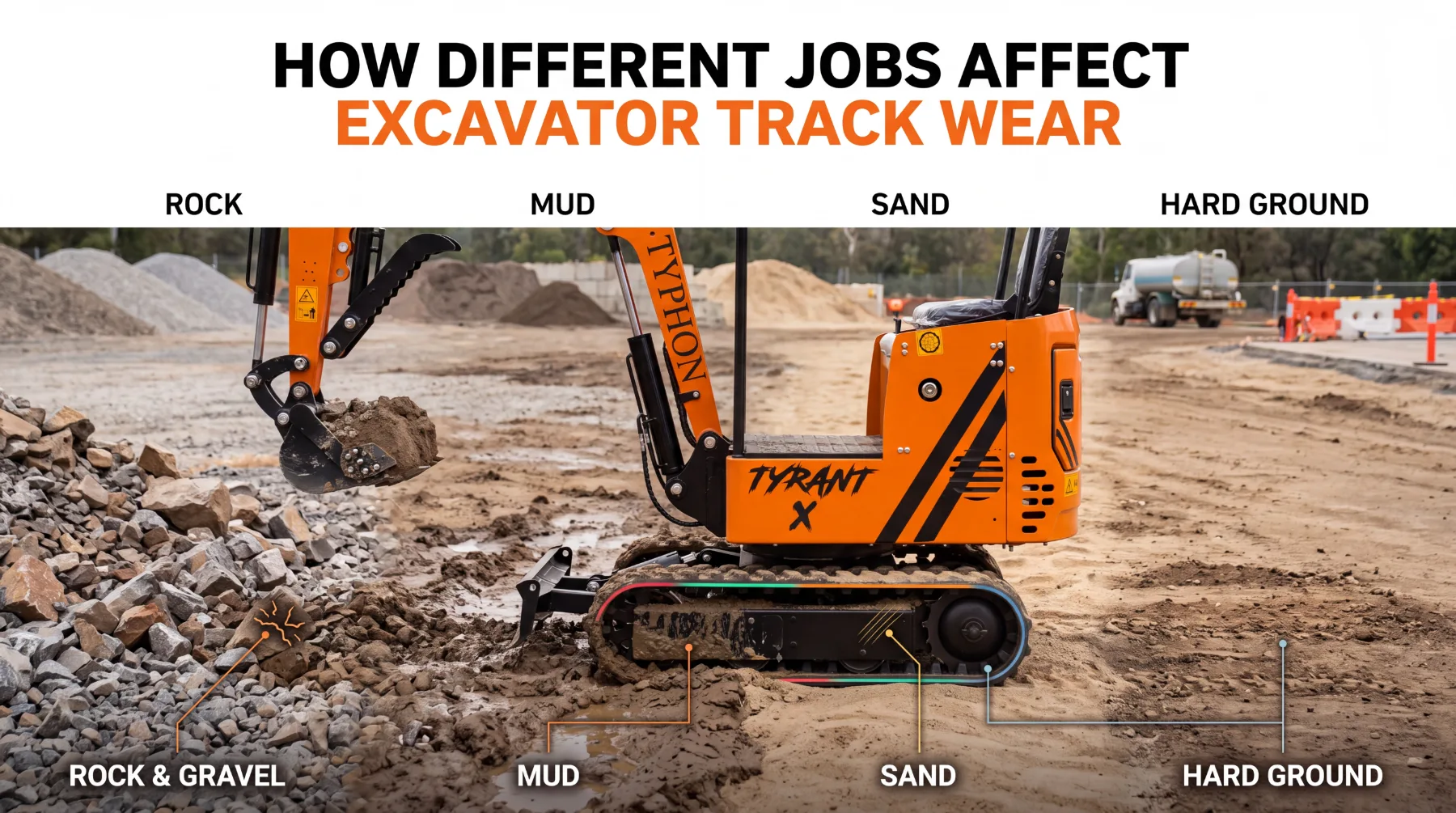
How Different Jobs Affect Excavator Track Wear
Learn why excavator tracks wear faster on certain jobs, including the effects of hard or rocky ground, frequent turning, mud and debris, heavy workloads, and improper track tension. Discover simple maintenance and operating practices that can help reduce track wear and extend undercarriage life.
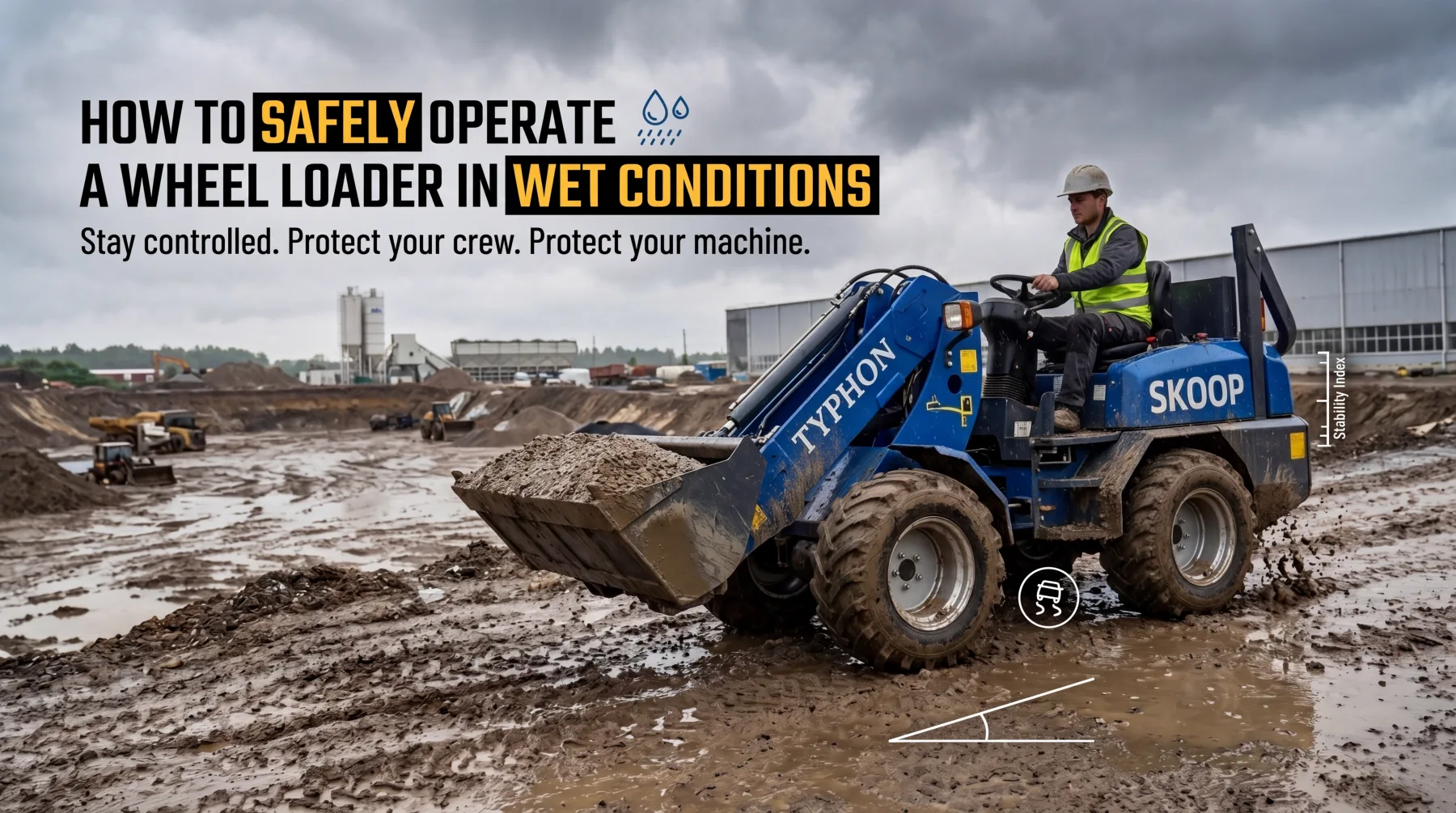
How to Safely Operate a Wheel Loader in Wet Conditions
Learn how road roller drum scrapers affect machine performance and compaction quality, when they should be replaced, and how choosing properly sized, durable replacement scrapers can reduce downtime, maintain a clean drum, and keep your roller operating efficiently.
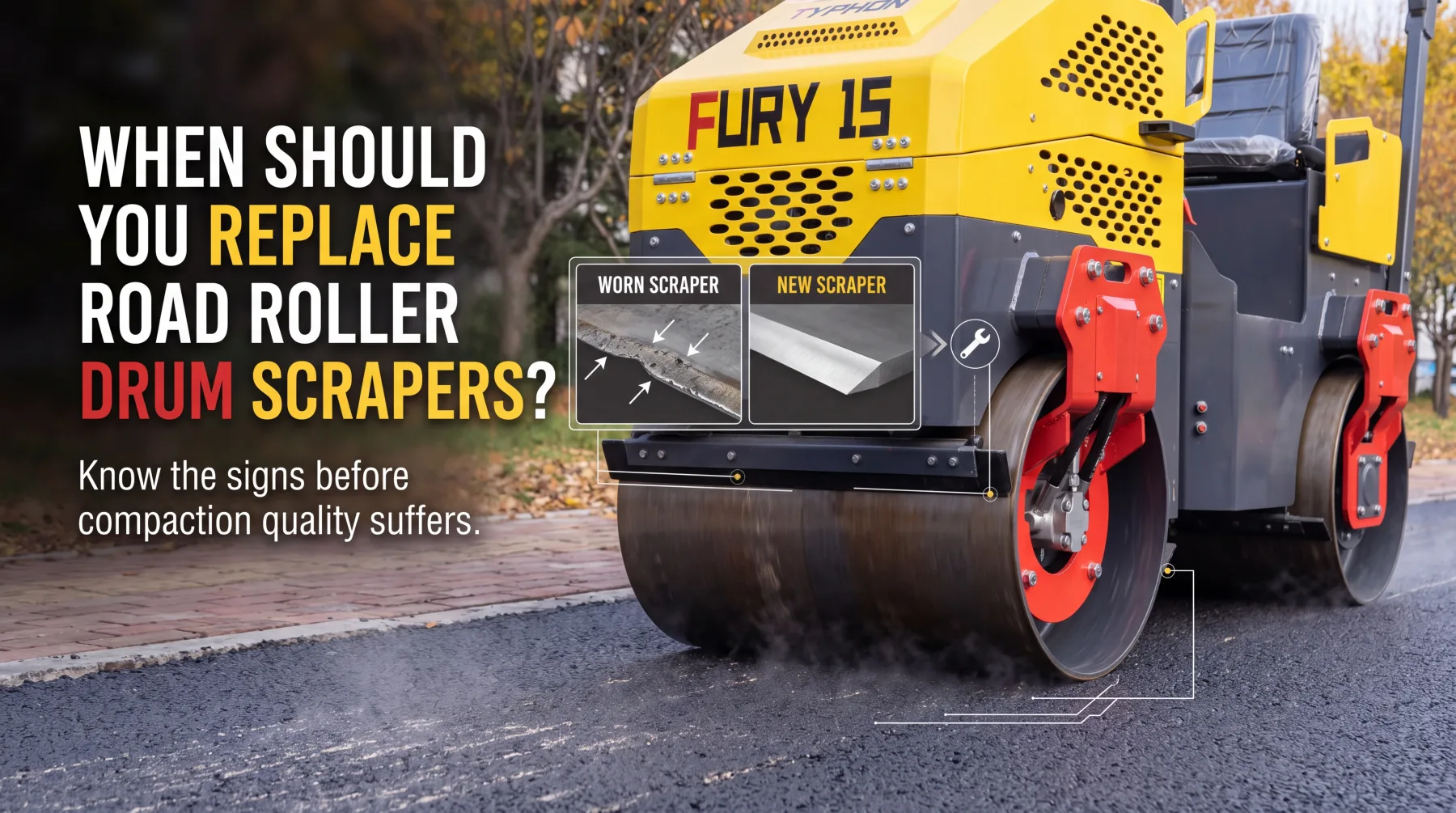
When Should You Replace Road Roller Drum Scrapers?
Replace road roller drum scrapers and how worn scrapers can affect compaction quality, productivity, and equipment performance. This guide covers key wear signs, operating conditions that shorten scraper life, and tips for choosing durable replacement scrapers.
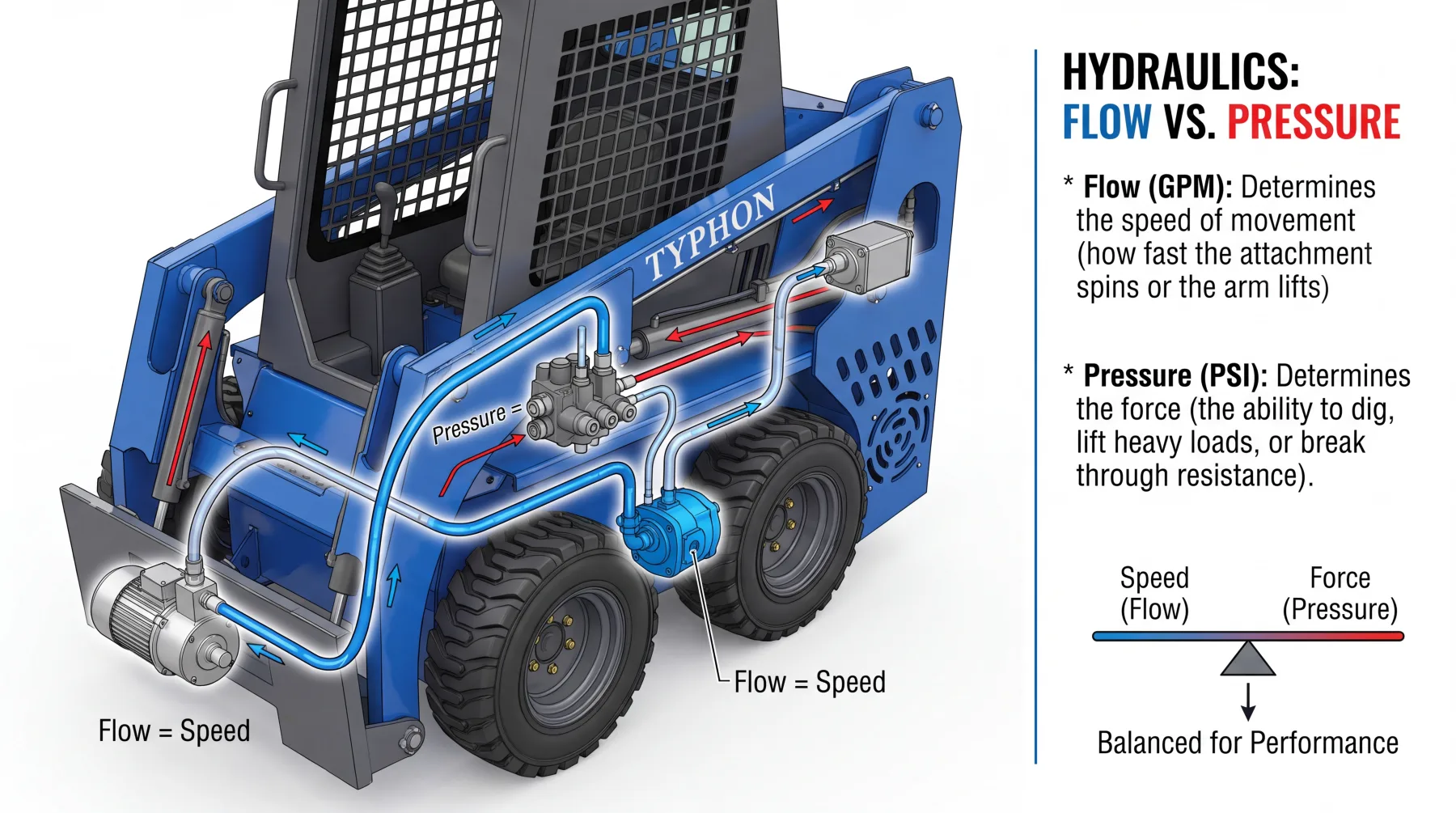
Skid Steer Hydraulics: How Flow and Pressure Really Work
Learn how skid steer hydraulics work by understanding the relationship between hydraulic flow (GPM) and pressure (PSI). Discover how to match attachments correctly, improve performance, prevent hydraulic issues, and keep your skid steer operating efficiently.