Why Dumper Dump Height Matters for Material Placement
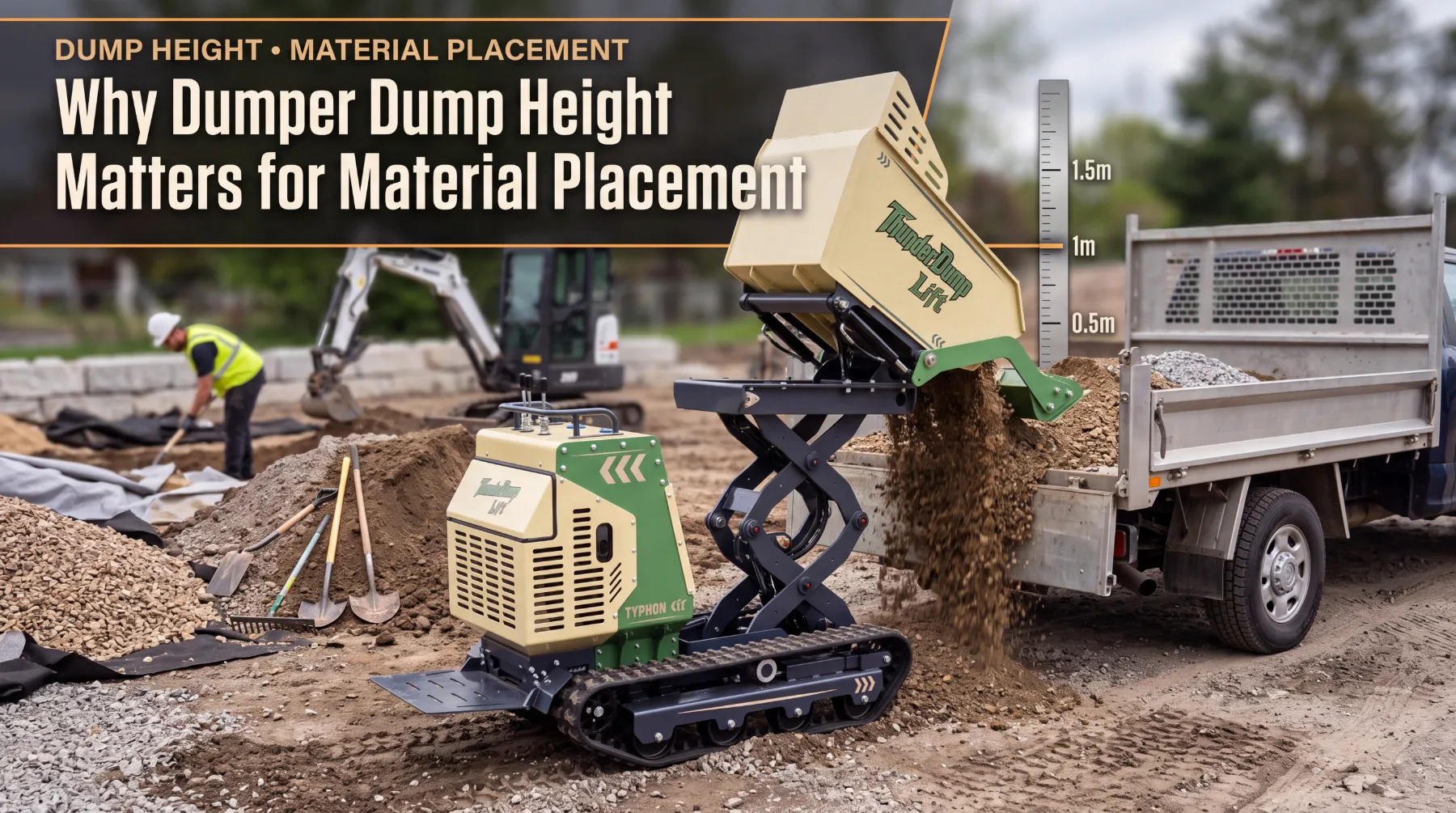
Where a dumper puts its load is only half the story. How high it can raise that load before releasing it often decides whether the job goes smoothly or turns into a series of workarounds. Dump height, the maximum elevation a dumper can lift its hopper or bed, shapes what the machine can unload into and where it can place material with confidence. Choose a machine with too little height and you may find it cannot reach the truck bed, clear the pile, or discharge over an obstacle that stands in the way.
This guide explains why dump height deserves close attention when selecting a dumper. You will learn how it affects reaching the right unloading point, loading into higher containers, building stockpiles, and working around site obstacles. Here is what is inside:
- How dump height governs which receiving areas you can reach
- Why it matters for trucks, skips, and hoppers
- How to match dump height to your machine and jobsite
Reaching the Right Unloading Point
Dump height determines how high the hopper or bed can raise its load above the ground, and this single specification often decides whether a dumper can serve a given task at all. When the hopper tilts and lifts, the load is carried to a certain elevation before it discharges. The greater that elevation, the higher the point the material can reach. A machine with limited dump height keeps its load close to the ground, while one with generous height can place material well above its own base.
This matters because unloading rarely happens at ground level alone. You may need to discharge into a stockpile, drop material into a container, or load a receiving area positioned higher than the dumper itself. In each case, the dump height sets a clear limit on what the machine can accomplish. If the target sits above what the dumper can reach, the material simply will not clear the edge, no matter how the operator positions the machine.
Consider a common scenario. A dumper tasked with filling a container needs enough height to raise its load above the container's rim before releasing it. Fall short, and material spills against the side rather than dropping cleanly inside. This is why assessing the unloading point before selecting a machine is so important. Knowing the elevation your material must reach helps you match a dumper to the real demands of the work. When dump height aligns with the receiving area, unloading becomes a clean, controlled step rather than a struggle, and the machine places material exactly where it is needed with confidence and precision.
Loading Into Higher Containers
A suitable dump height makes it far easier to discharge material into trucks, skips, hoppers, and containers positioned above ground level. Much of the material a dumper moves does not end its journey on the ground. Instead, it is transferred into other equipment for hauling, processing, or disposal, and that receiving equipment almost always sits well above the surface. The dumper must raise its load high enough to clear the sides of these containers and drop the material cleanly inside, which is a direct function of its dump height.
The required height depends entirely on the receiving equipment you are loading. A standard skip sits at one elevation, while the bed of a haul truck sits considerably higher, and a processing hopper may be higher still. Each of these targets sets its own minimum, and a dumper that comfortably fills a low skip may fall well short of a tall truck bed. This is why understanding what you will load into is a necessary first step before choosing a machine.
Getting this match right pays off in efficiency and cleanliness. When the dumper can raise its load above the container's rim with room to spare, material discharges squarely into the target with minimal spillage. When the height falls short, the operator is forced into awkward positioning, partial loads, or repeated cleanup as material spills down the outside of the container. Before committing to a dumper, measure the height of the trucks, skips, and hoppers it will need to load, then confirm the machine's dump height clears them with a sensible margin. That simple check ensures the dumper can transfer material dependably into whatever receiving equipment your operation relies on, keeping each cycle fast and tidy.
Building Material Piles
Dump height also influences how material can be placed when creating stockpiles, and this role becomes more important the larger the pile grows. Building a stockpile is not a single action but a repeated one, with each load adding to a mound that steadily rises. As that mound gets taller, the dumper needs enough height to place fresh material on top rather than only around the base. A machine with generous dump height can keep adding to the pile as it grows, while one with limited height reaches its ceiling early and can no longer place material effectively.
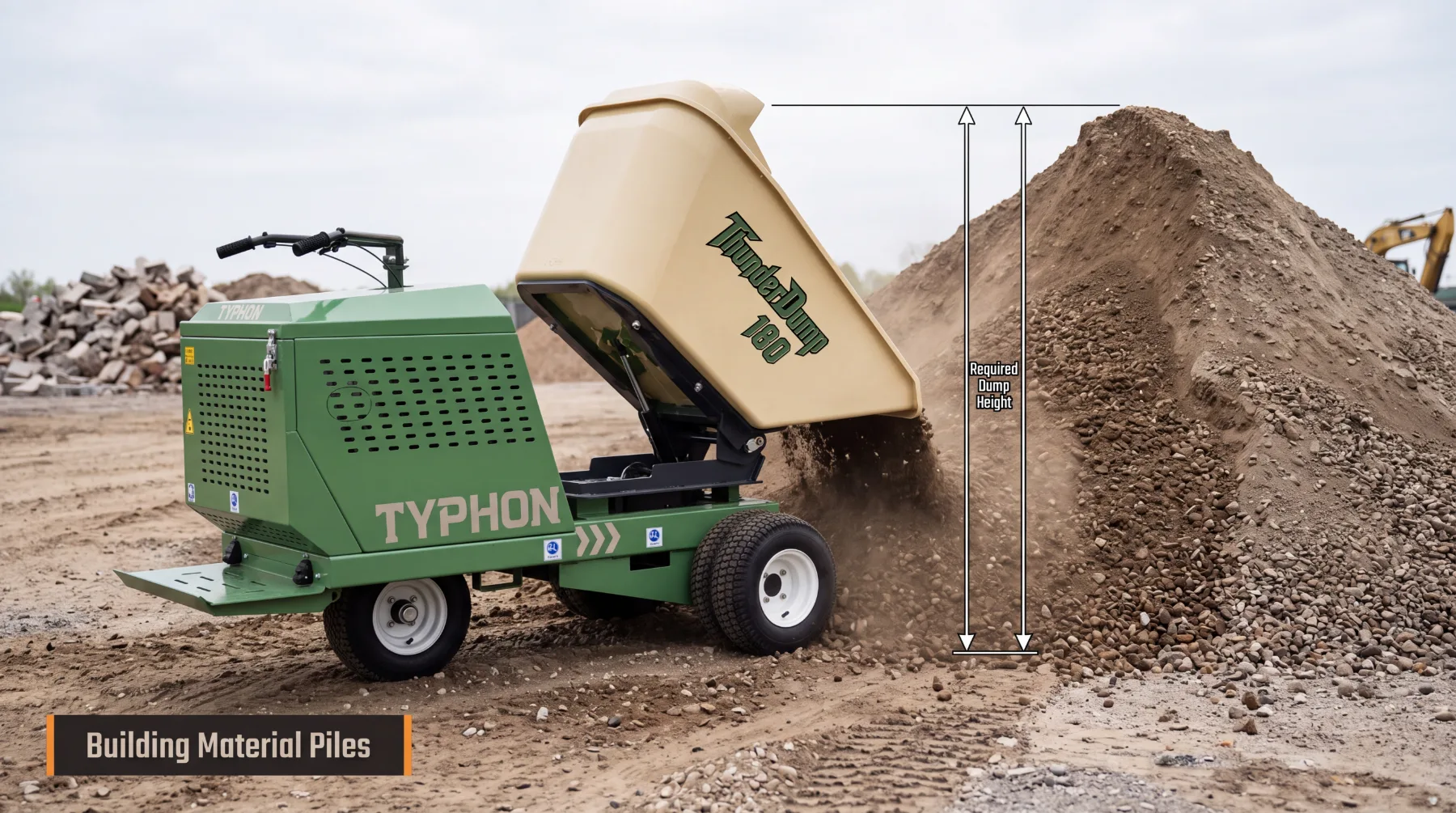
This clearance matters for both the size and the shape of the finished pile. Higher discharge allows an operator to build a taller, better-formed stockpile that uses the available space efficiently. When the dumper can release material above the current height of the pile, the load settles neatly on top and the mound develops evenly. When dump height runs out, the operator is left dumping against the side of the pile, which spreads material outward, wastes footprint, and produces an uneven, sprawling heap.
The exact clearance available depends on the machine's dumping geometry, which combines dump height with the angle and reach of the discharge. These factors work together to determine how far above the ground and how far out the material can be placed. A dumper with favorable geometry keeps building the pile long after a less capable machine would stall. If your work involves creating and maintaining stockpiles of soil, gravel, or other material, giving attention to dump height and overall dumping geometry ensures the machine can shape those piles the way the job requires, load after load, without losing productivity as the mound climbs higher.
Working Around Site Obstacles
Adequate dump height helps a machine unload without positioning the hopper directly against an obstacle or structure, and this flexibility is genuinely valuable on a busy site. Construction areas are rarely open and clear. Walls, formwork, barriers, existing equipment, and partially built structures all stand between the dumper and the spot where material needs to go. A machine with enough dump height can raise its load high enough to discharge over or across these obstacles, placing material where it belongs while the dumper itself stays at a safe, sensible distance.
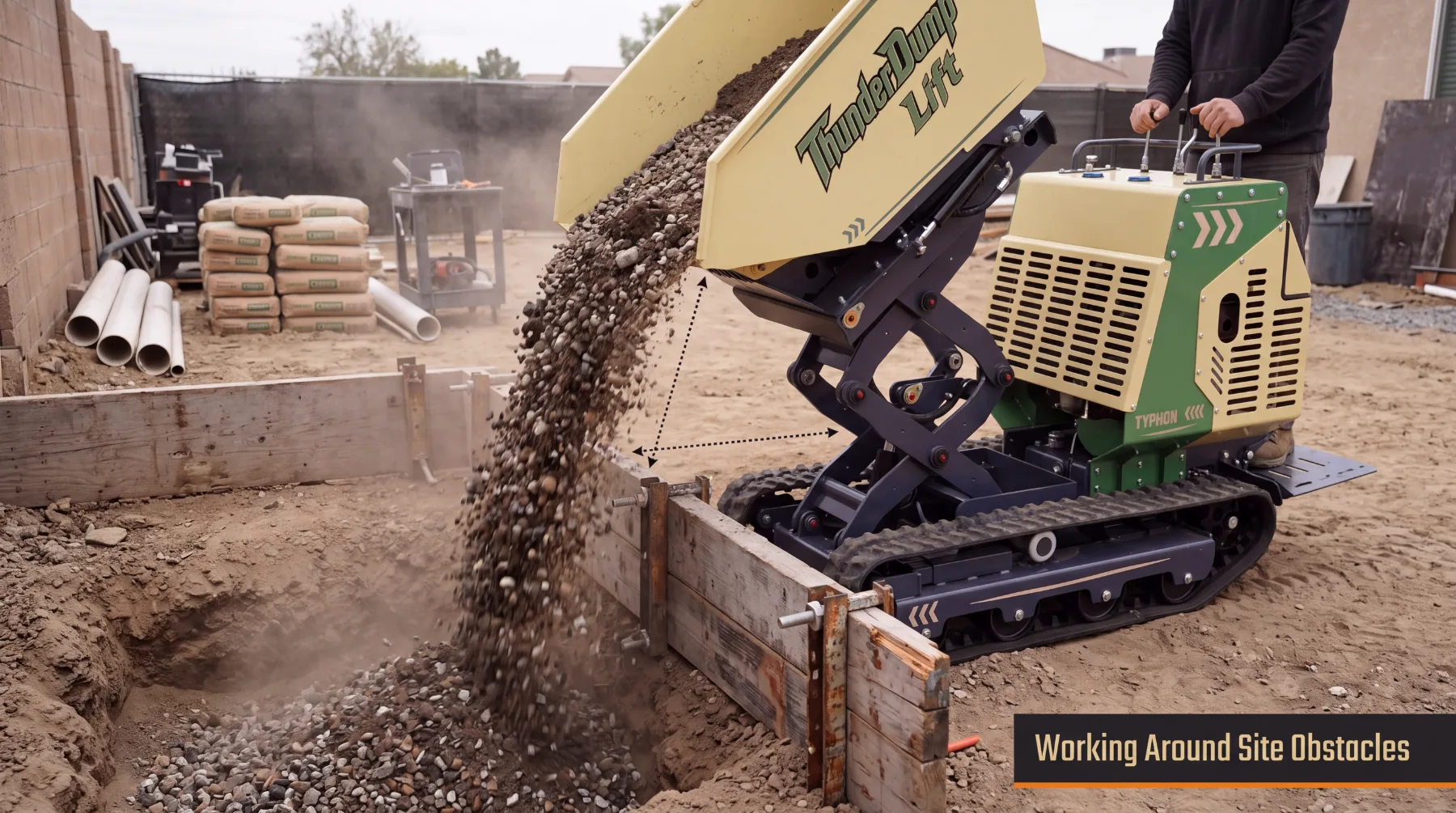
This capability solves a problem that low-reaching machines constantly face. When a dumper cannot lift its load high enough, the operator is forced to bring the machine right up against the obstacle to unload, which is not always practical or safe. Crowding a wall risks contact and damage, and edging close to a trench or excavation invites the ground to give way. Sufficient dump height eases this pressure by letting the machine clear the obstruction from a stable position rather than pressing against it.
The benefit is especially clear in confined construction areas where space is at a premium. In tight quarters, every extra maneuver raises the risk of striking a structure or another piece of equipment, and there is often simply no room to position the hopper against the target. A dumper that can raise its load and discharge over a barrier gives the operator options that a low-lifting machine cannot. This keeps the work moving smoothly and protects both the machine and the surrounding site. When you expect to work around obstacles, choosing a dumper with the dump height to clear them turns difficult unloading situations into manageable, controlled ones.
Matching Dump Height to the Job
The ideal dump height is not a single universal figure. It depends on what the dumper needs to load or unload into and the layout of the jobsite it will work on. A machine perfectly suited to filling low skips on an open site may fall short when loading tall trucks in a confined area, and the reverse holds just as true. This is why matching dump height to the specific demands of your work is the foundation of a sound equipment choice, ensuring the machine fits the application rather than forcing the application to fit the machine.
Getting this right means looking at dump height alongside several related specifications rather than in isolation. Consider these factors together:
- Hopper capacity, which determines how much material the dumper carries and releases per cycle
- Dump angle, which affects how completely and cleanly material discharges from the raised hopper
- Machine dimensions, which govern whether the dumper can access and maneuver within your site
Each of these works with dump height to define how well the machine performs. A generous dump height means little if the hopper is too small for the volume you move, and even the right height and capacity can fall short if the machine is too large to fit your access points. The dump angle matters too, since a strong angle helps material slide out fully rather than clinging in the hopper as it discharges over a container or pile.
Weighing these factors as a connected whole leads to a practical, informed decision. Start by identifying what you need to load or unload into and the constraints of your site, then confirm the dumper's dump height, capacity, angle, and dimensions all suit those demands. When these specifications align with the real conditions of the work, the dumper places material reliably and efficiently, giving you a machine you can depend on across the full range of tasks your operation involves.
Conclusion
Dump height plays a central role in how effectively a dumper places its load. It determines the elevation the machine can reach, which shapes whether it can unload into stockpiles, containers, and higher receiving areas, and it provides the clearance needed to build piles and clear obstacles on confined sites. Above all, the right dump height depends on what you need to load or unload into and the layout of your jobsite. Before selecting a dumper, assess your receiving equipment and site constraints, then check dump height alongside hopper capacity, dump angle, and machine dimensions. Taking that step ensures the machine fits the application and delivers the dependable, precise material placement your work demands.
Frequently Asked Questions
1. What exactly is dump height on a dumper?
Dump height is the maximum elevation a dumper can raise its hopper or bed load above the ground before discharging it. When the hopper tilts and lifts, the material is carried to a certain height before it is released, and that maximum elevation is what dump height measures. A machine with greater dump height can place its load well above its own base, while one with limited height keeps the material closer to the ground. This specification is important because it sets a clear limit on what the dumper can accomplish. If the point where material needs to go sits higher than the machine can reach, the load simply will not clear the edge, no matter how the operator positions it. Understanding a dumper's dump height before you select it tells you which receiving areas, containers, and piles the machine can actually serve, allowing you to match the equipment to the real demands of the work rather than discovering a shortfall on the job.
2. Why does dump height matter when loading trucks or skips?
Dump height matters because trucks, skips, hoppers, and similar containers almost always sit above ground level, and the dumper must raise its load high enough to clear their sides before releasing it. Much of the material a dumper moves is transferred into other equipment for hauling, processing, or disposal rather than left on the ground. Each type of receiving equipment sits at its own elevation, so a standard skip requires less height than a tall haul truck bed, and a processing hopper may sit higher still. A dumper that comfortably fills a low skip may fall well short of a tall truck. When the machine can raise its load above the container's rim with room to spare, material discharges cleanly inside with minimal spillage. When it falls short, you get awkward positioning, partial loads, and messy cleanup. Measuring the height of the equipment you will load and confirming your dumper clears it with a sensible margin keeps each cycle fast and tidy.
3. How does dump height affect building stockpiles?
Dump height affects stockpile building because a pile grows taller with each load, and the dumper needs enough height to keep placing material on top as the mound rises. Building a stockpile is a repeated action, and a machine with generous dump height can keep adding to the pile long after a limited machine reaches its ceiling. This clearance shapes both the size and form of the finished pile. Higher discharge lets an operator build a taller, better-formed stockpile that uses the available space efficiently, with each load settling neatly on top so the mound develops evenly. When dump height runs out, the operator is forced to dump against the side of the pile, which spreads material outward, wastes footprint, and creates an uneven heap. The exact clearance depends on the machine's dumping geometry, which combines dump height with the angle and reach of discharge. Attention to these factors ensures the machine can shape piles the way the job requires.
4. Can dump height help when working around obstacles?
Yes. Adequate dump height lets a machine unload without positioning the hopper directly against an obstacle or structure, which is valuable on crowded construction sites. Work areas are rarely open and clear, with walls, formwork, barriers, existing equipment, and partial structures standing between the dumper and its target. A machine with enough dump height can raise its load and discharge over or across these obstacles while staying at a safe distance. This solves a problem that low-reaching machines face constantly, since a dumper that cannot lift high enough forces the operator to crowd the obstacle to unload. Getting too close to a wall risks contact and damage, and edging near a trench invites the ground to give way. The benefit is clearest in confined areas where every maneuver carries risk and there is little room to position the hopper against the target. Sufficient dump height gives the operator options that keep the work moving safely.
5. How do I choose the right dump height for my needs?
Choosing the right dump height starts with identifying what you need to load or unload into and the layout of your jobsite, since the ideal height depends entirely on these demands. A machine suited to filling low skips on an open site may fall short loading tall trucks in a confined area. Rather than looking at dump height in isolation, consider it alongside related specifications. Hopper capacity determines how much material the machine carries and releases per cycle, dump angle affects how completely material discharges from the raised hopper, and machine dimensions govern whether the dumper can access and maneuver within your site. Each of these works with dump height to define performance, since a generous height means little if the hopper is too small or the machine too large to fit your access points. Confirm that the dumper's dump height, capacity, angle, and dimensions all suit the real conditions of your work, and the machine will place material reliably across your tasks.