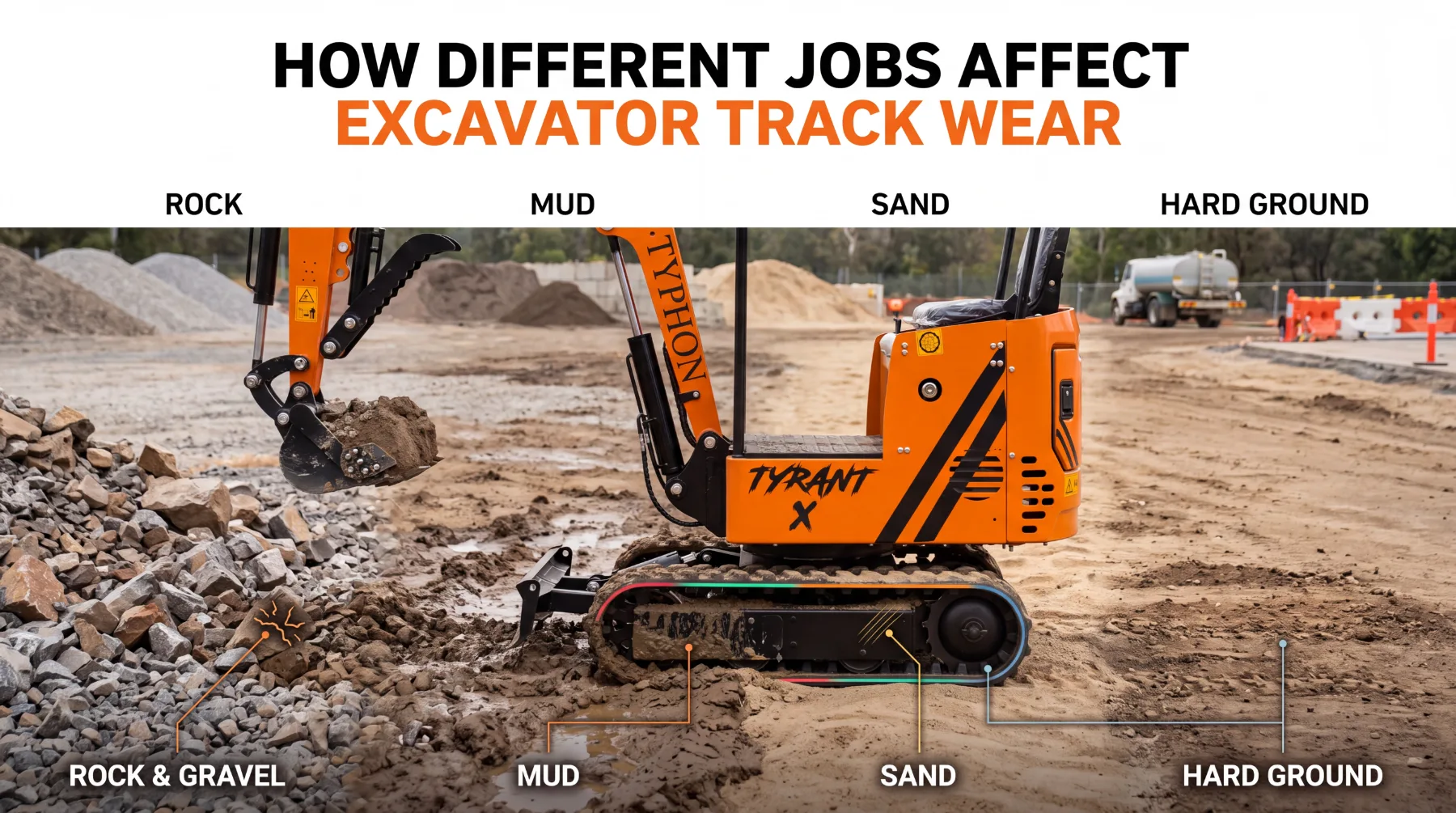
How Different Jobs Affect Excavator Track Wear
Working on Hard or Rocky Ground
The surface an excavator works on has a direct effect on how quickly its tracks wear. Concrete, rocks, and other abrasive surfaces create far more friction and impact than softer ground does, and that combination steadily grinds away at both the rubber tracks and the metal undercarriage components beneath them. Hard surfaces don't give under the machine's weight the way soil does, so the tracks bear the full concentrated force against an unyielding base. Every pass across abrasive ground scrapes a little more material off the tread and lugs. Rocks add a second problem on top of abrasion: impact. As the tracks roll over uneven, rocky terrain, they take repeated jolts and blows that stress the tread, links, and rollers. Sharp stones can gouge and cut into the rubber directly, while the constant pounding accelerates fatigue across the whole system. Concrete and paved surfaces, though smoother, generate heat and friction that wear rubber tracks quickly, especially during turns and repositioning. Compared with working on soil or other soft ground, operating regularly on hard or rocky surfaces shortens track life noticeably. Soft ground cushions the tracks and spreads the load, giving the undercarriage an easier time, while abrasive surfaces offer no such relief. Operations that spend most of their hours on concrete, rock, or gravel should expect faster wear and plan their maintenance and replacement schedules accordingly. While you can't always avoid hard ground, being aware of its effect helps you anticipate shorter track life on these jobs and keep a closer watch on undercarriage conditions when the terrain is unforgiving.
Frequent Turning and Counter-Rotation
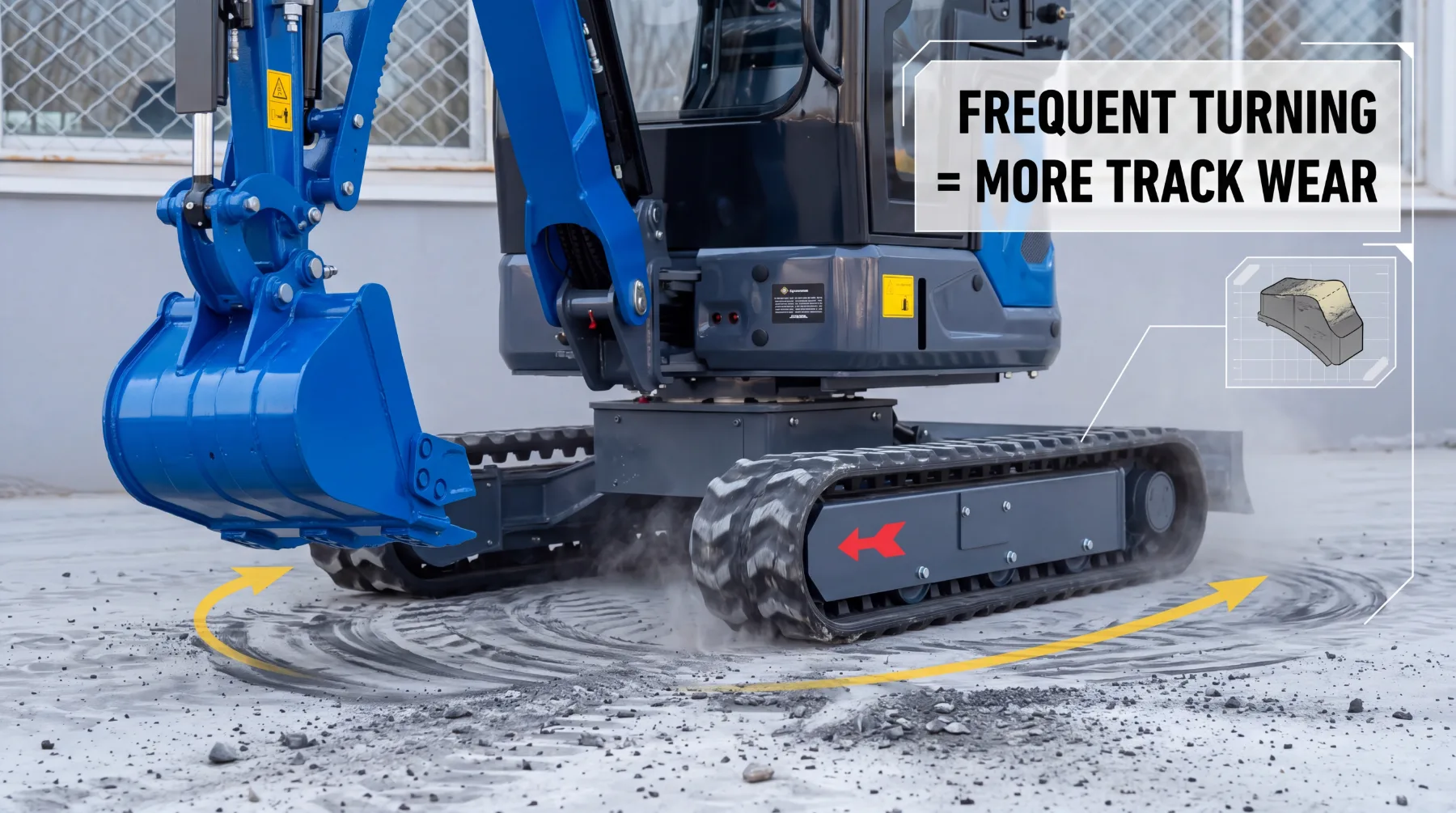 How an excavator turns influences track wear just as much as where it operates. Repeated sharp turns place heavy stress on the tracks and undercarriage, far more than straight-line travel does. When the machine pivots, the tracks are forced to scrub sideways against the ground rather than roll smoothly along it, and that scrubbing action grinds away at the tread and lugs with every turn. The tighter and more frequent the turns, the faster this wear accumulates. Counter-rotation is especially demanding. When the tracks turn in opposite directions to spin the machine in place, both tracks drag hard against the surface at once, creating intense friction across the full contact area. This maneuver puts significant strain not only on the rubber but also on the rollers, sprockets, and track links that transmit the turning force. Repeated over a shift, and then over weeks of operation, all that pivoting adds up to noticeably faster wear across the entire undercarriage. The surface underfoot makes a real difference in how damaging this turning becomes. On high-friction surfaces such as concrete and rock, the ground resists the scrubbing motion and dramatically increases tread and lug wear during each turn. Pivoting repeatedly in the same spot concentrates that wear and can grind flat or uneven patches into the tracks. Operators can reduce this stress with a few deliberate habits:
- Make wider, gradual turns instead of sharp pivots wherever the job allows.
- Minimize counter-rotation, especially on abrasive, high-friction surfaces.
- Plan movements ahead to avoid unnecessary repositioning and repeated pivoting.
When turning is smooth and thoughtful rather than aggressive, the tracks and undercarriage face far less friction, and they last considerably longer as a result.
Mud, Sand, and Debris
What collects in the undercarriage matters as much as what the machine drives over. Mud, sand, and stones can build up around the tracks, rollers, and sprockets, and that buildup increases friction between the components that are supposed to move smoothly against one another. Instead of rolling freely, the parts grind against trapped material, and that added friction wears them down faster than normal operation would. Packed debris can also throw off track tension and force components to work harder than they should. Sand and grit are particularly harmful because they act as an abrasive between moving parts. Fine particles work their way into the spaces around rollers and sprockets, where they scour metal surfaces and accelerate wear from the inside out. Mud holds moisture and grit against components and can pack solid, restricting normal movement and adding strain to the whole system. Stones lodged in the wrong place can damage tracks and undercarriage parts directly, sometimes causing sudden failures rather than gradual wear. Left unaddressed, this kind of buildup steadily shortens the life of the entire undercarriage. The good news is that it's one of the easiest causes of wear to control. Regular cleaning removes the mud, sand, and stones before they can do lasting damage, and routine inspection catches buildup and developing problems early. Cleaning out the undercarriage at the end of demanding shifts, especially after working in muddy, sandy, or debris-filled conditions, keeps friction where it belongs and lets the tracks and components run as designed. A clean undercarriage simply lasts longer than one packed with abrasive material, making this straightforward habit one of the most effective steps you can take to extend track life.
Heavy or Continuous Work
The intensity of the work an excavator performs has a direct bearing on how quickly its tracks wear. Digging, lifting, and other demanding tasks put far more load through the undercarriage than lighter work does. The tracks and undercarriage components support and transmit the forces the machine generates, so the harder the machine works, the more stress those components must bear. Continuous, heavy-duty operation concentrates that stress on the tracks, and over time it accelerates wear across the system. Digging in hard ground is one of the biggest contributors. When the machine generates high breakout force to break resistant material loose, that force travels through the undercarriage with every pass. Lifting heavy loads adds substantial weight and force through the tracks as well, particularly when the load sits off to one side and shifts the balance. Demanding attachments such as hydraulic breakers transmit heavy, repeated loads through the machine, compounding the strain the undercarriage already carries during tough digging. Continuous work multiplies the effect. A machine running hard through long shifts, day after day, never gives the undercarriage a lighter interval to ease the accumulated stress. Jobs that combine heavy digging with frequent repositioning are especially hard on tracks, since the demands of the work stack on top of the friction of constant travel and turning. While demanding applications are often unavoidable, recognizing that they accelerate wear helps you set realistic expectations for track life on tough jobs. Keeping a closer eye on undercarriage condition during periods of heavy, continuous work lets you catch developing wear before it turns into a costly failure, so you can plan maintenance around the true demands of the application.
Poor Track Tension and Maintenance
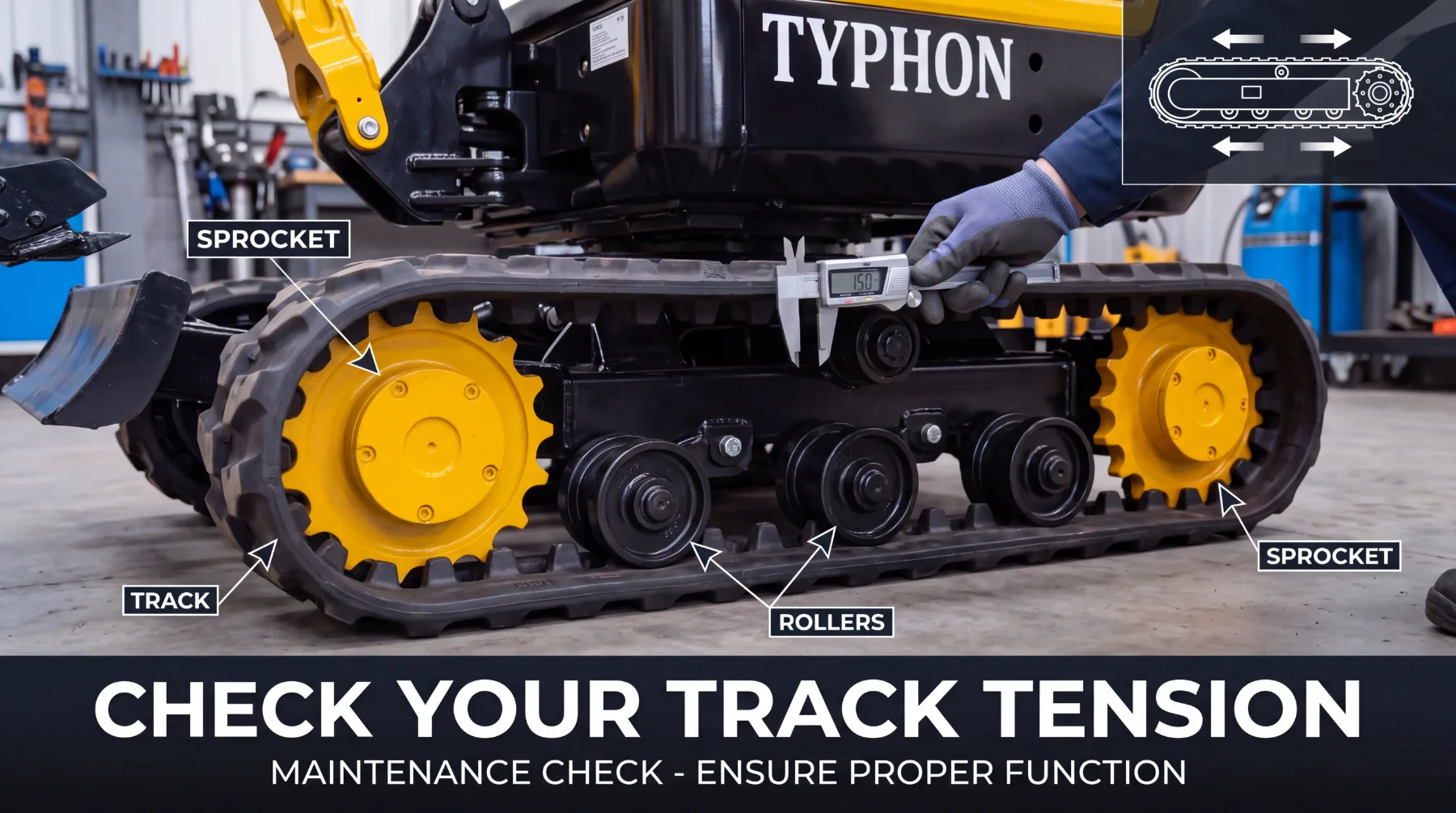 Track tension is one of the most overlooked factors in undercarriage wear, yet getting it wrong in either direction shortens track life. Tracks that are too loose flex and shift more than they should, moving unevenly and slapping against components as the machine travels. This slack accelerates wear and creates a real risk of derailment, where the track can come off the undercarriage entirely, causing immediate downtime and potential damage to surrounding parts. Loose tracks rarely wear evenly, which only compounds the problem. Tracks that are too tight bring the opposite trouble. Excessive tension places constant, unnecessary strain on the rollers, idlers, sprockets, and track links, forcing them to work under added load with every rotation. That extra strain generates heat and friction, wearing these components down faster than normal and putting the whole undercarriage under pressure it wasn't designed to carry continuously. Either extreme, too loose or too tight, drives uneven wear and premature failure. Correct tension falls within the range the manufacturer specifies, and it's worth checking regularly because tension shifts as debris accumulates and components wear. Beyond tension, consistent maintenance keeps the entire undercarriage running as intended:
- Check track tension routinely, adjusting it back to the manufacturer's specified range as conditions change.
- Inspect components regularly, watching rollers, idlers, and sprockets for wear and developing problems.
- Keep the undercarriage clean and lubricated, reducing the friction that drives wear.
Building these steps into a routine makes a real difference in how long tracks last. Proper tension and disciplined upkeep protect the undercarriage from unnecessary strain and uneven wear, helping you get the full service life your tracks were built to deliver.
Conclusion
Excavator tracks wear faster on some jobs for reasons that are almost always identifiable and manageable. Hard or rocky ground grinds and pounds the tracks far more than softer surfaces do, while frequent sharp turns and counter-rotation scrub the tread against the ground and stress the undercarriage. Mud, sand, and debris packed into the undercarriage increase friction between the tracks, rollers, and sprockets, and heavy or continuous work pushes greater loads through the system with every dig and lift. On top of it all, poor track tension and neglected maintenance drive uneven wear and strain critical components. The encouraging reality is that you have real influence over each of these factors. By operating thoughtfully, keeping the undercarriage clean, maintaining correct track tension, and planning for demanding applications, you can reduce unnecessary wear and get the dependable, full service life your tracks were built to provide.